How I Got Started in Music Photography
& Where It’s Led Me
This summer marks my first full year in the music photography world, and it’s been such a wild but rewarding experience. In such a short time, I’ve made so many amazing friends, traveled to exciting places, and learned plenty of tips and tricks along the way.
Maybe you’re curious how I got into this niche, or maybe you’re looking for a few tips yourself (I’m definitely no expert, but I love helping however I can). Either way, let’s dive into the past 12 months that brought me to where I am today.
First Show Nerves
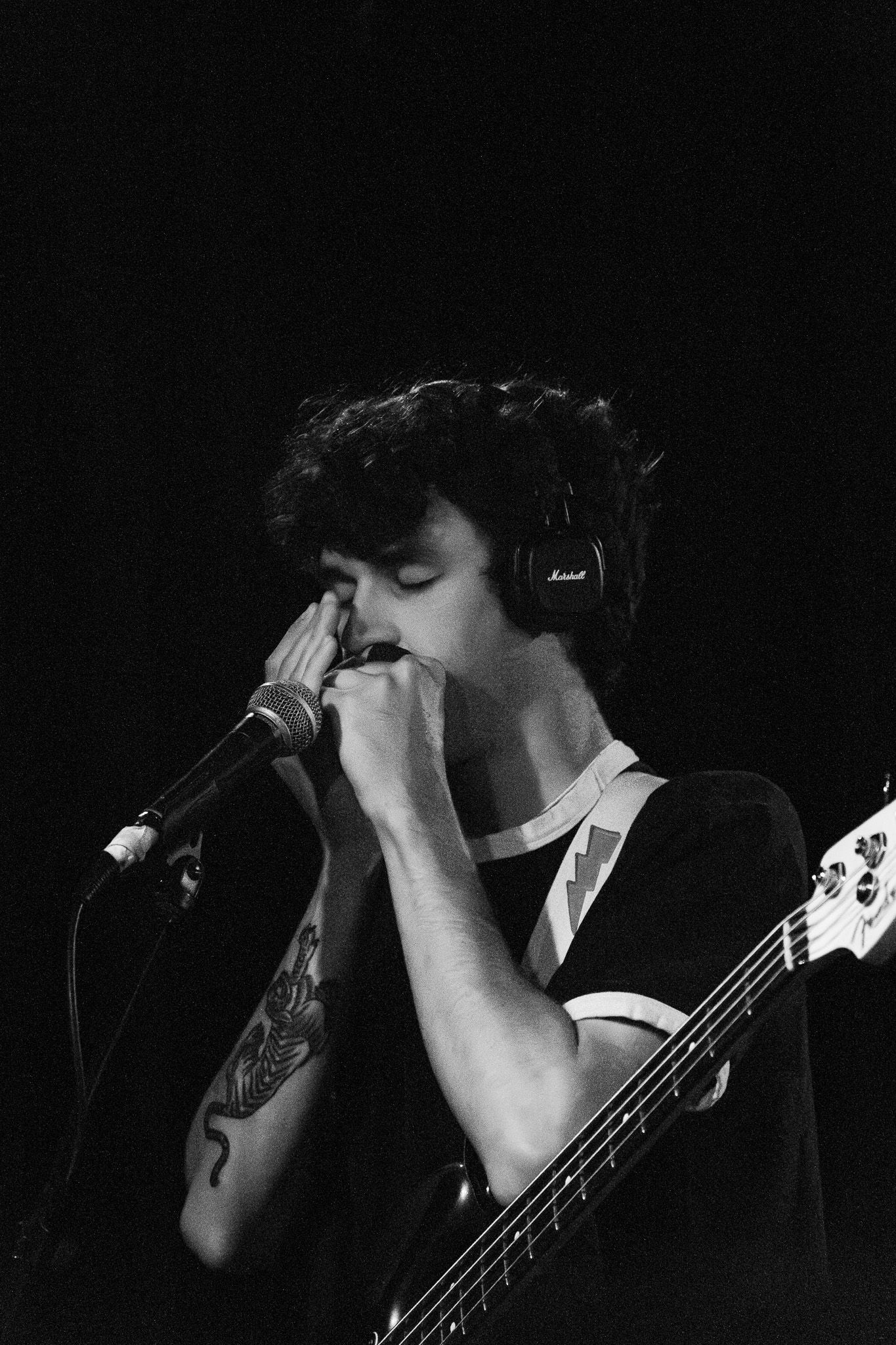
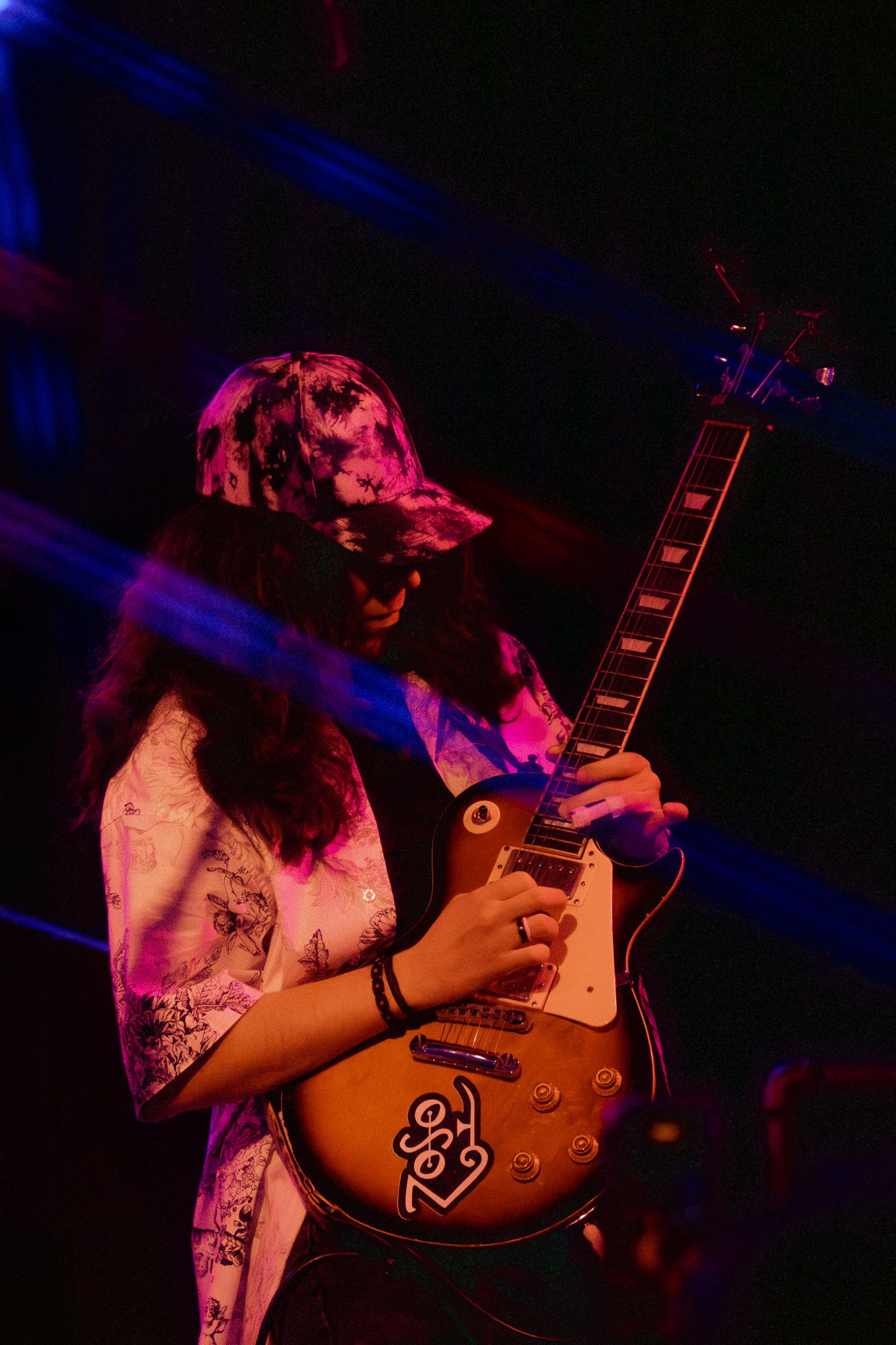
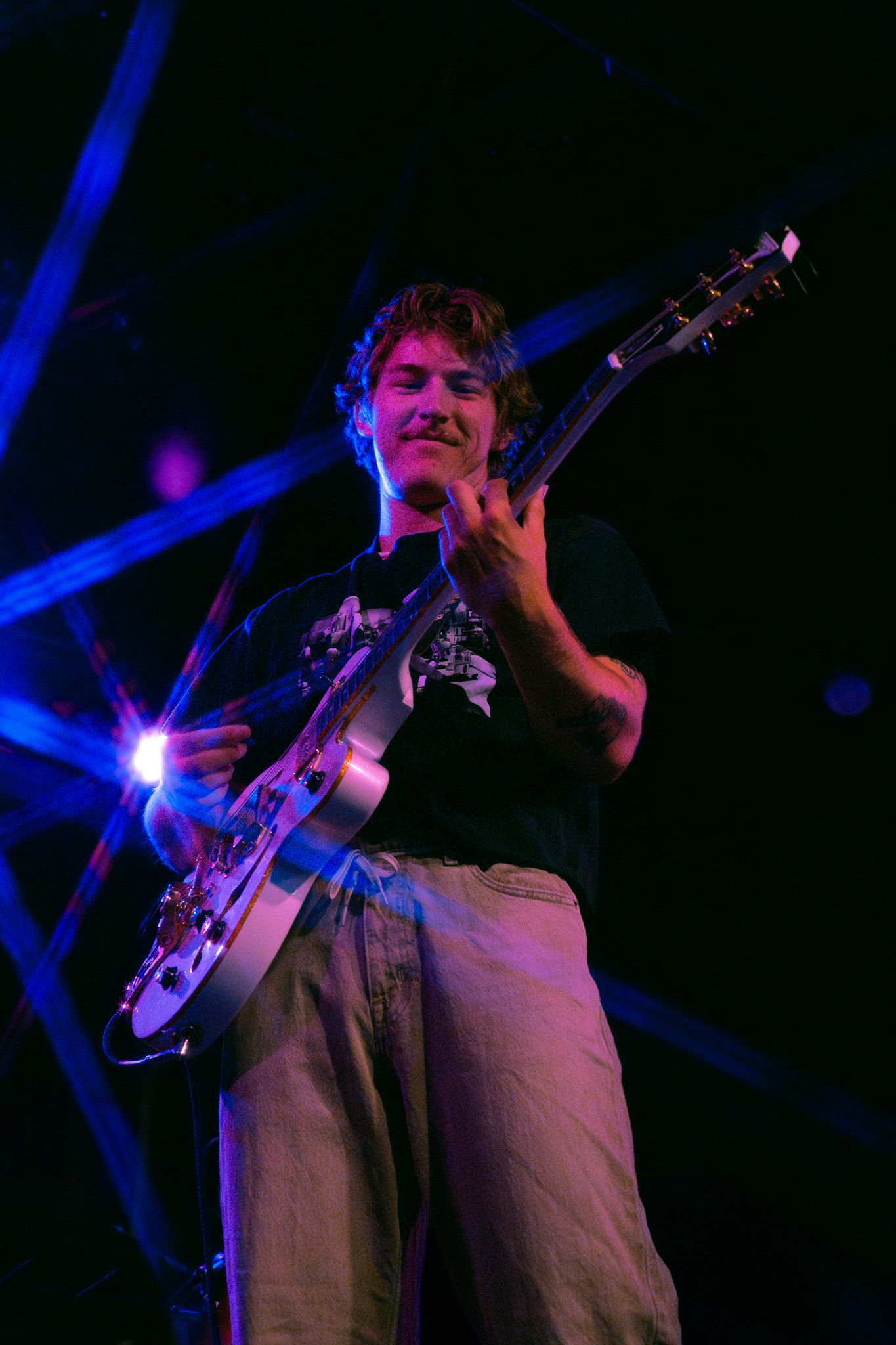
My very first concert shoot was last summer for a band I found through TikTok called The 4411. They popped up on my FYP right before their Chicago tour date, so I took a chance and commented on one of their posts asking if they needed someone to take photos in exchange for portfolio work — aka, I was doing this for free.
Somehow, they actually responded, and suddenly I was on my way to Chicago.
The night of the concert, I was incredibly excited… but also unbelievably nervous. I had watched countless videos from other music photographers and studied all the tips I could find, but my brain was still spiraling:
What if they forgot to put me on the guest list?
What if someone yelled at me for being in the way?
What if my SD card corrupted?
I’m a chronic overthinker, and honestly, I was fully panicking at this point.
Still, it was time to put on my brave face and head to the venue. The band was playing at Beat Kitchen, a small venue and bar in Chicago. Since all my previous concert experience had been as a fan, I naturally stood in line outside with everyone else while waiting for doors to open.
Eventually, I made it inside and was asked for my ticket by the bouncer. This was my moment. I was finally going to say something cool like, “Don’t worry, I’m with the band.”
Except… that’s not what happened.
I gave them my name for the guest list, and they told me they hadn’t received it yet. Awkward.
So there I was, sitting alone at the bar while they figured everything out.
Once the show started, though, everything became a blur. The lights were low, the crowd was loud, and somehow my nerves slowly disappeared as I shifted into work mode. I remember weaving through the crowd, constantly checking my settings, and before I knew it, the set was over.
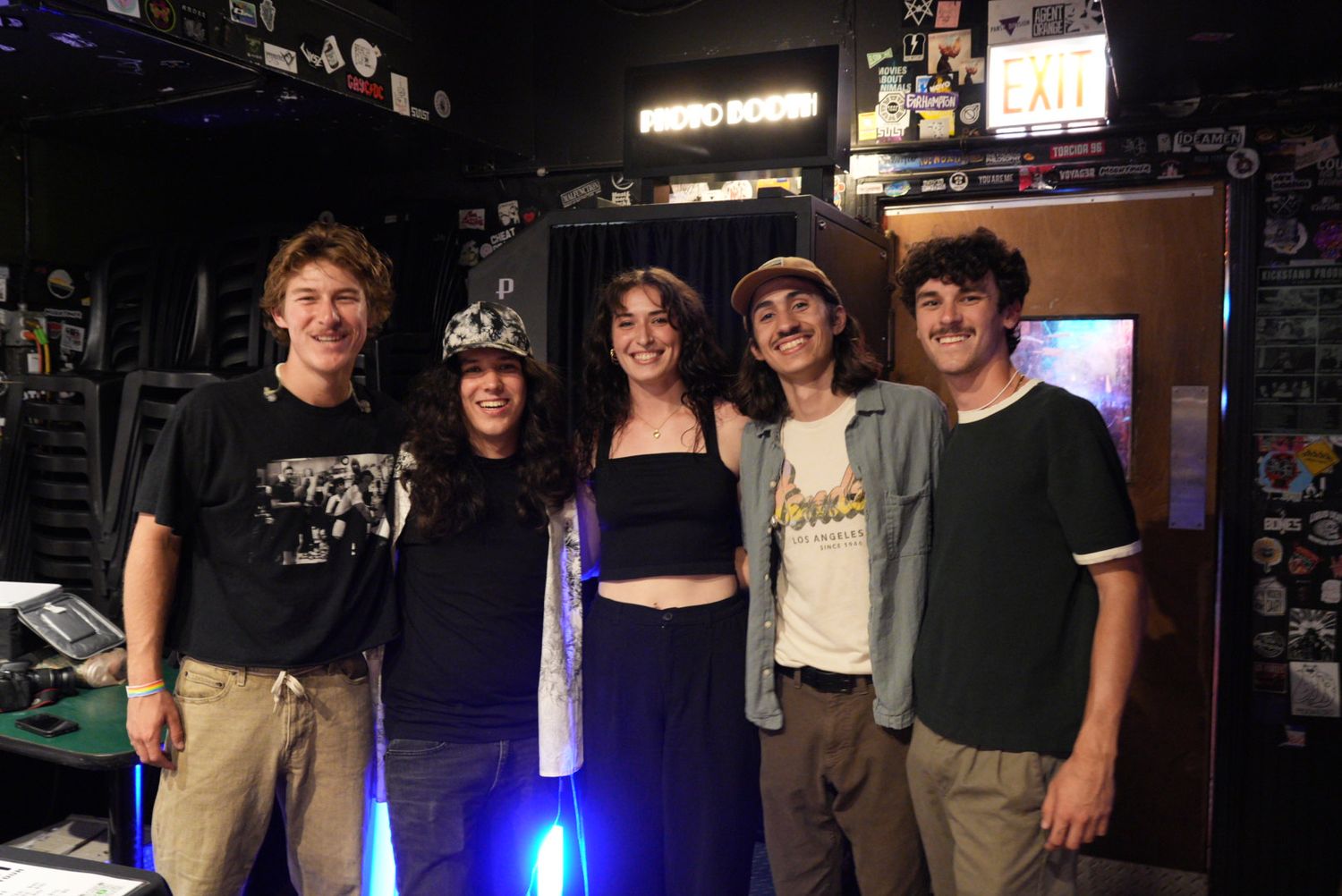
After the crowd cleared out, I stayed behind to introduce myself and thank the band for the opportunity. They were incredibly kind, and I’ll always be grateful they were my first experience in this scene.
That being said… when I got home and edited the photos? Yeah. They were rough.
Okay, maybe not awful, but looking back now, I’m definitely a little embarrassed. I honestly don’t think they ever even posted any of them — but hey, everyone starts somewhere, and it ended up being one of the best learning experiences I could’ve asked for.
Getting More Opportunities
After my first show, I immediately wanted more.
While stalking bands on TikTok kind of worked, it mostly involved sending a lot of messages and getting very few responses. Luckily, I had been venting to my friend Adam at school about all of this, and he mentioned he knew someone deeply connected in the Milwaukee music scene: Isaac Repinski. If you know anything about Milwaukee music, there’s a good chance you’ve heard his name before.
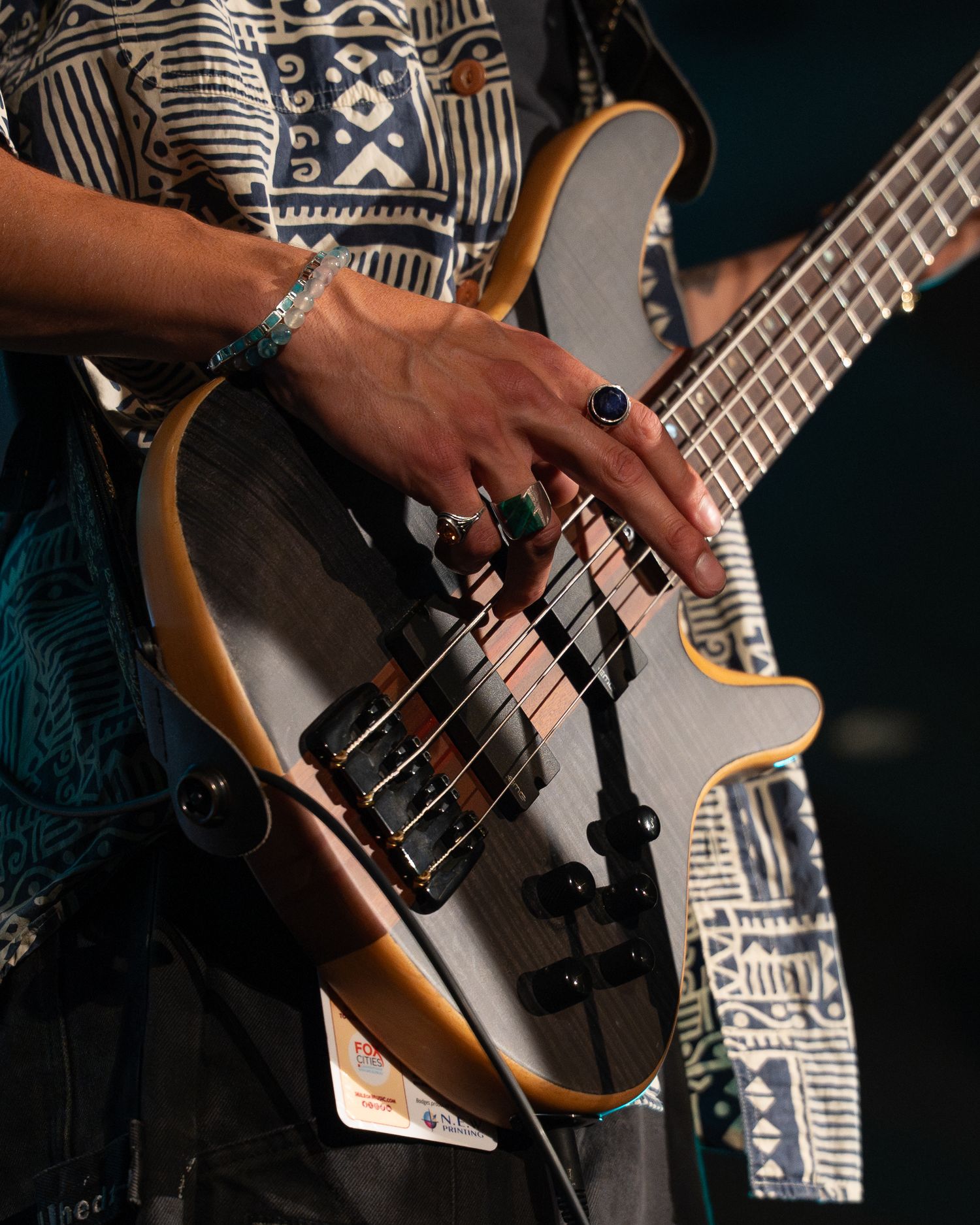
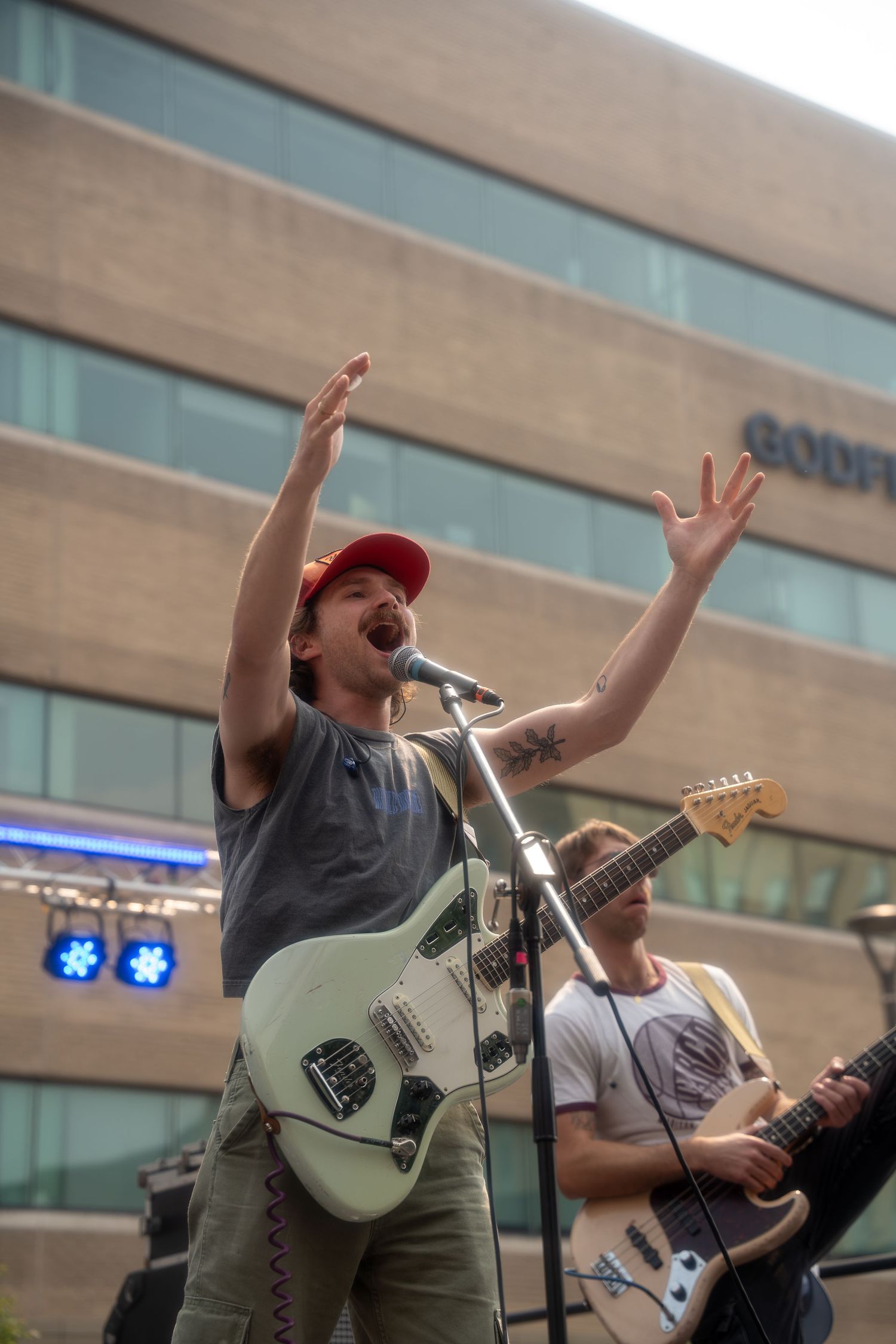
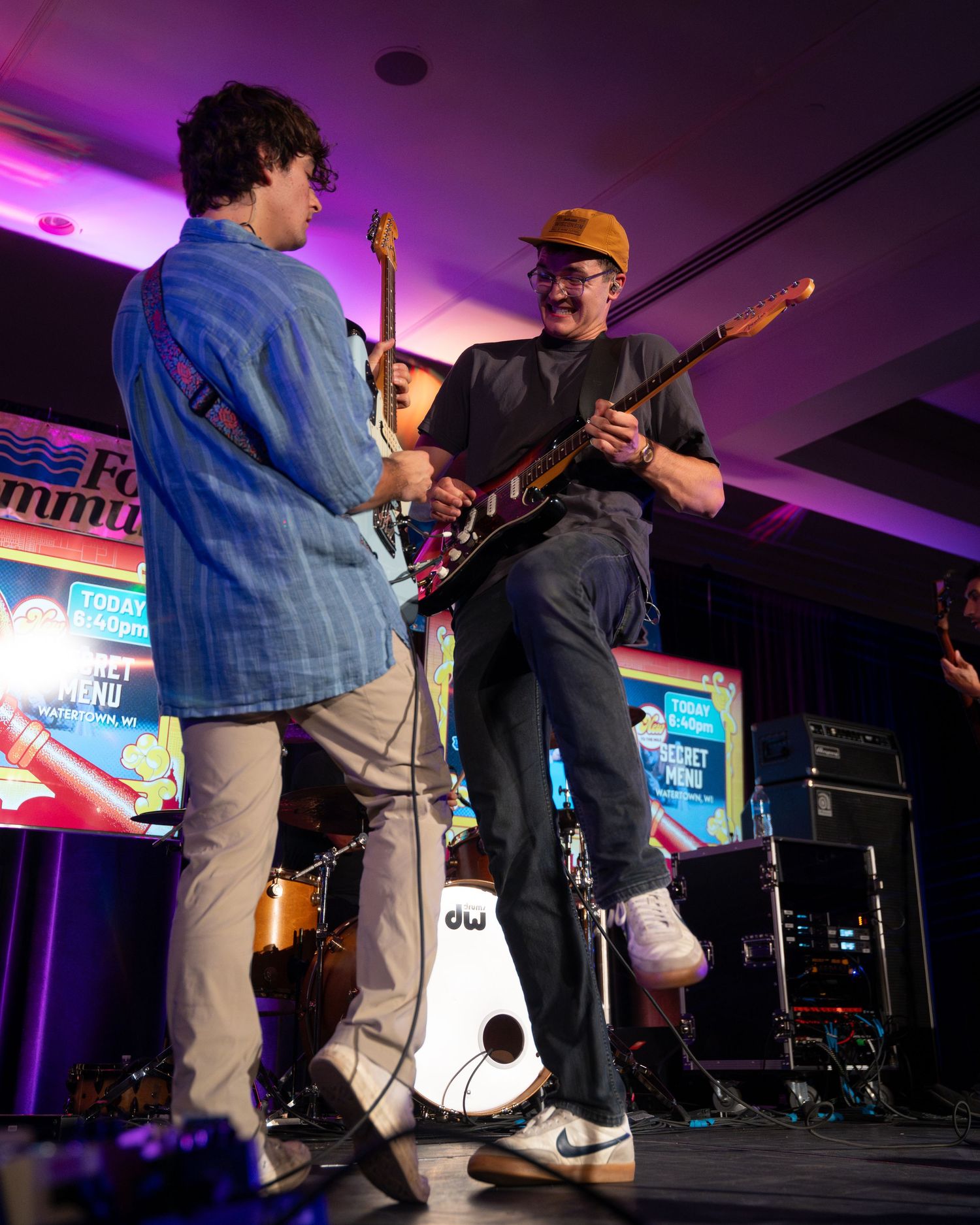
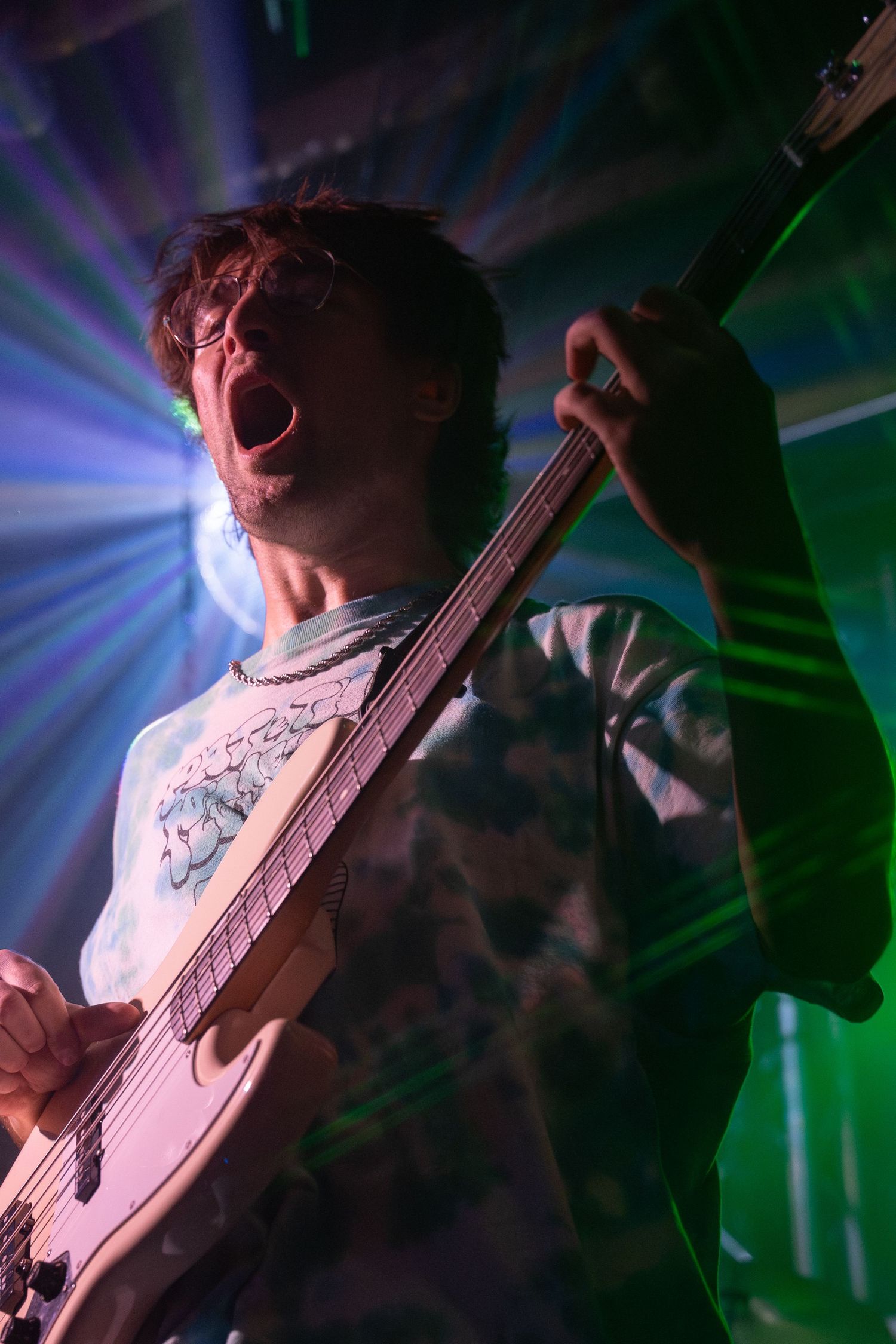
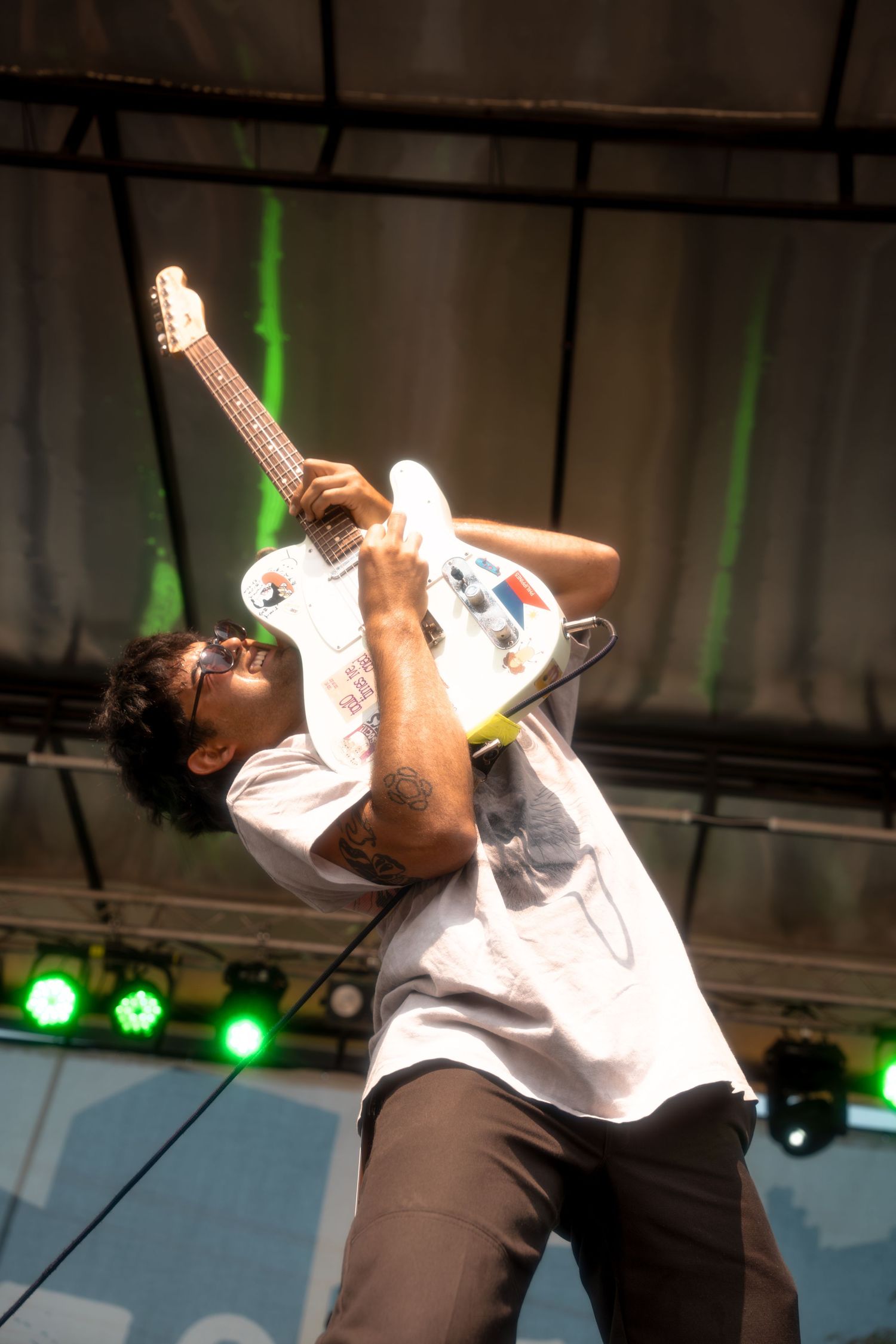
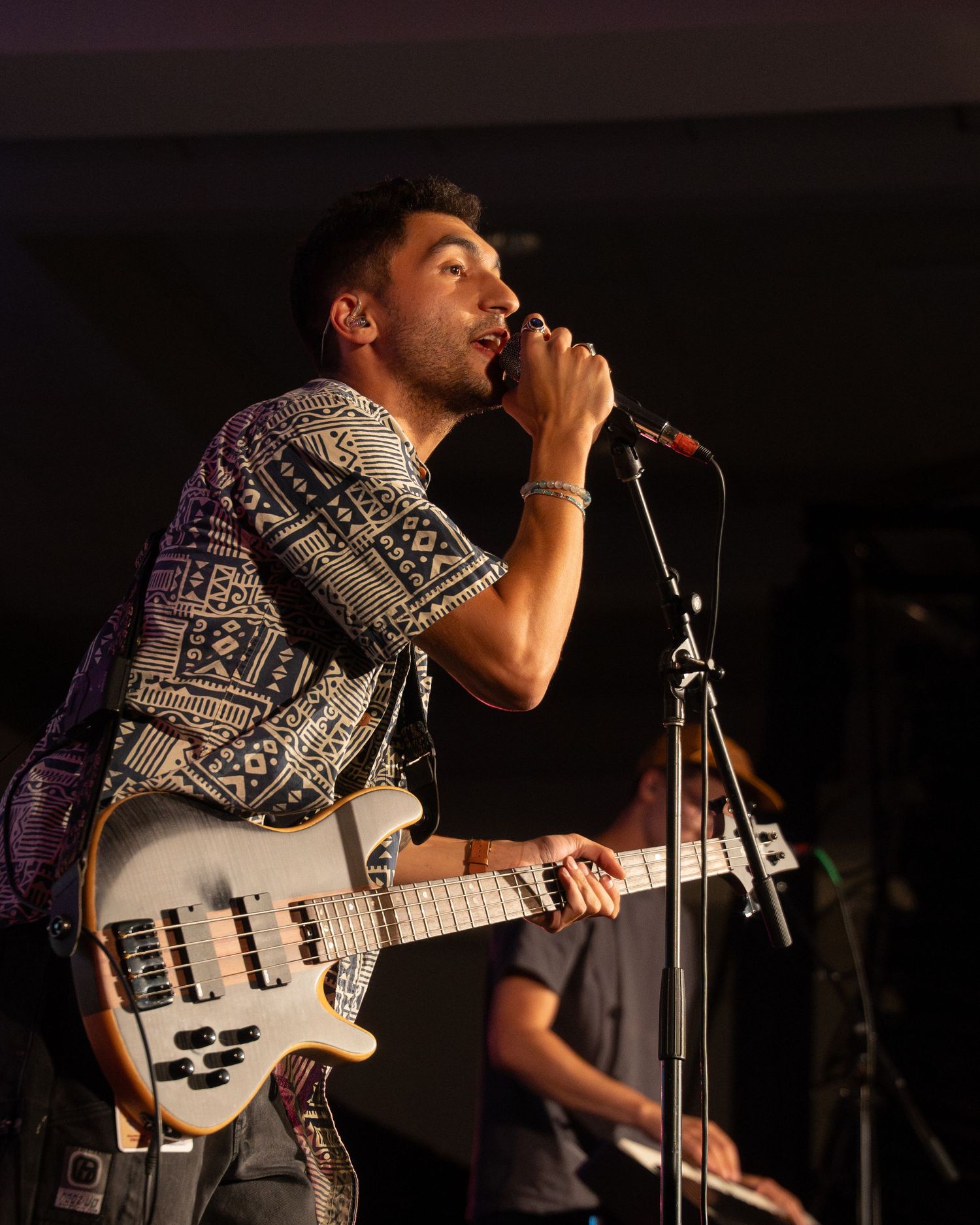
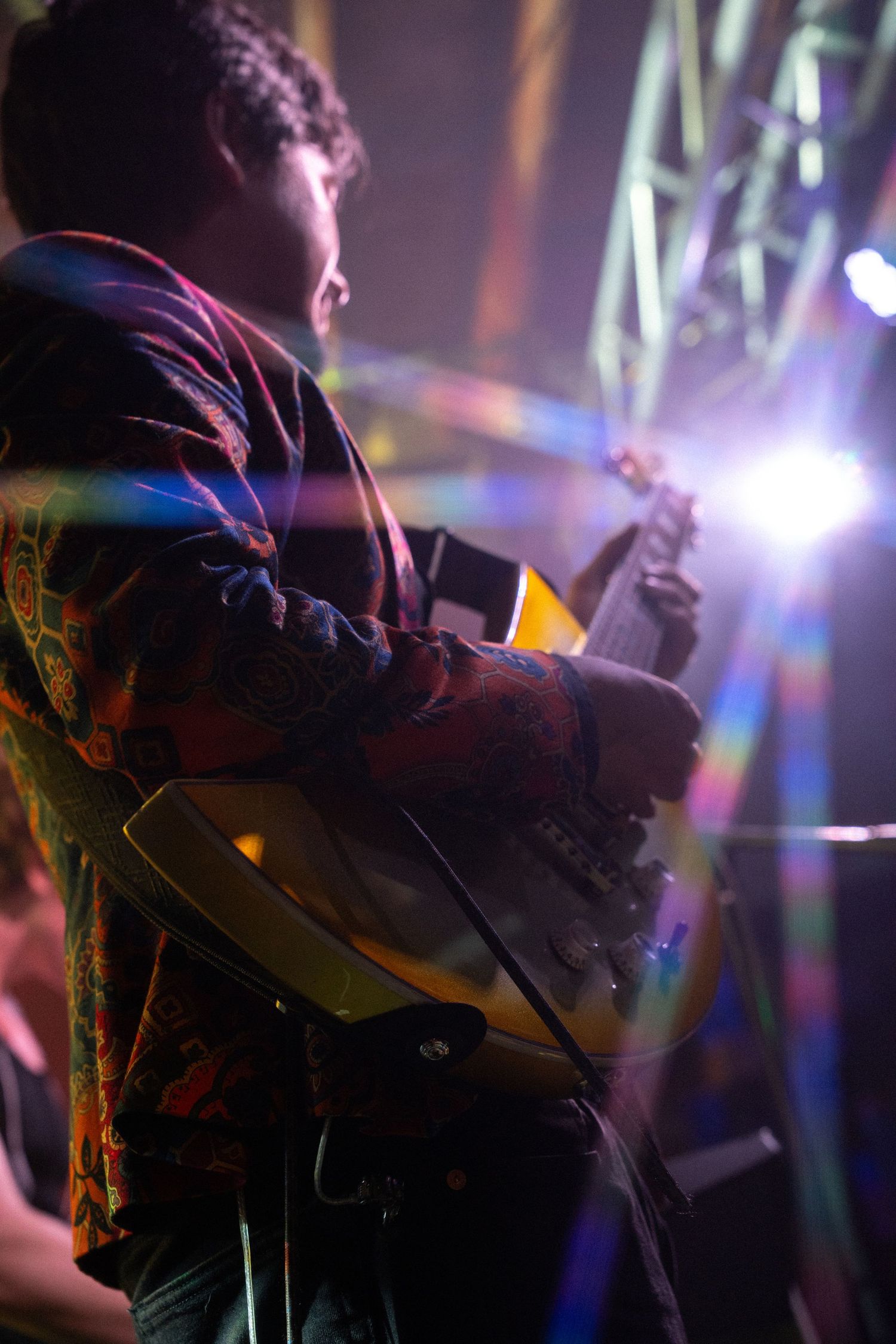
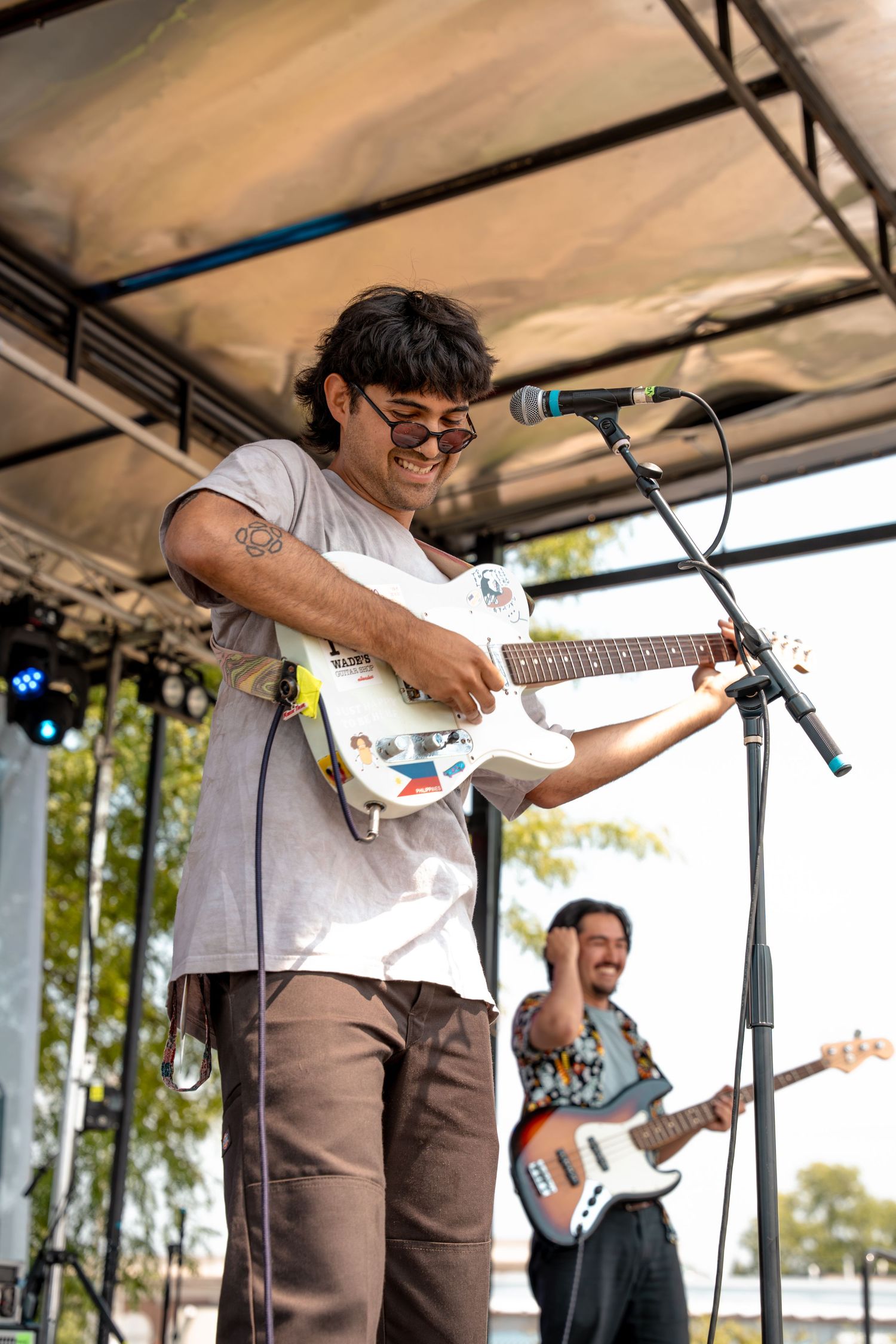
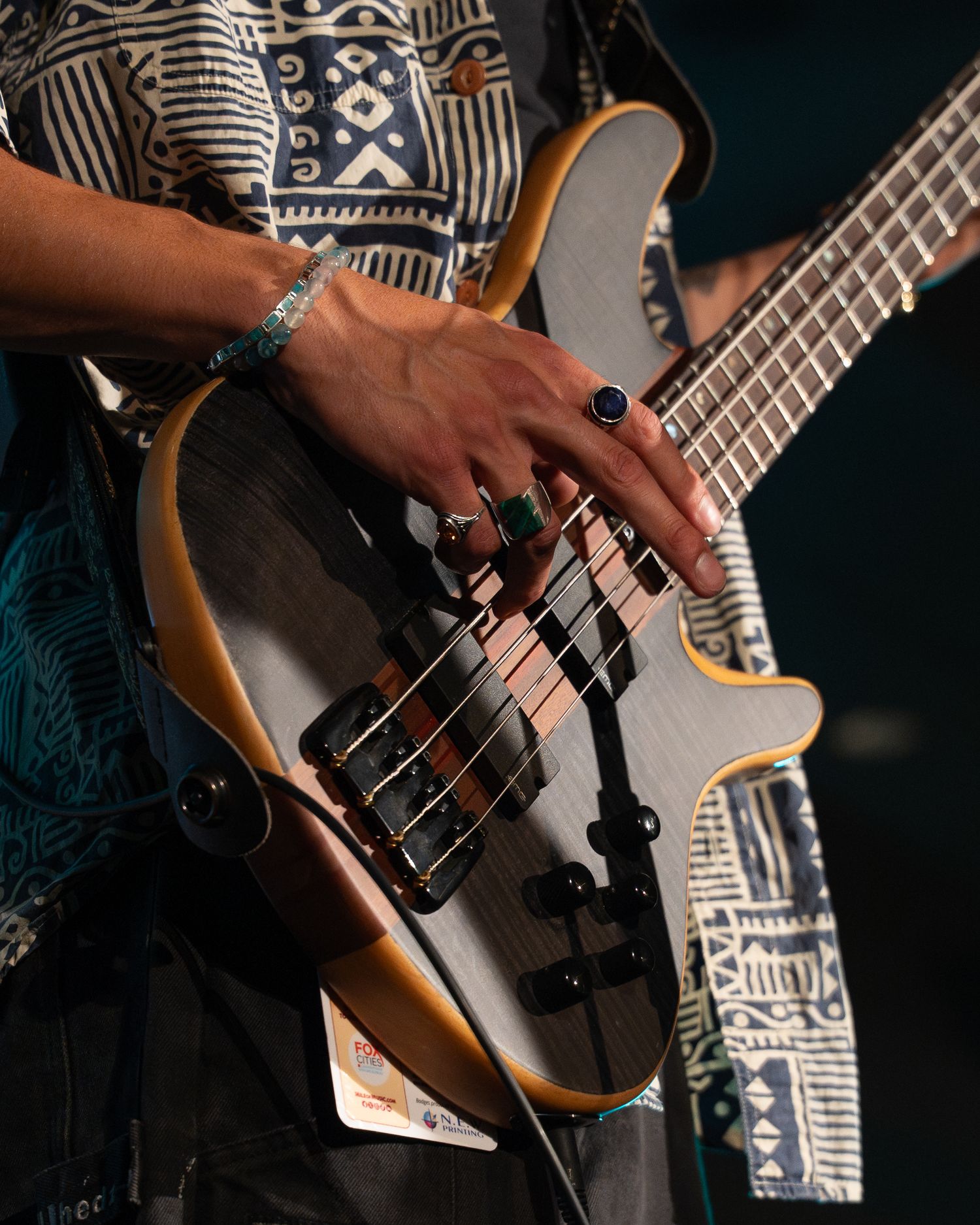
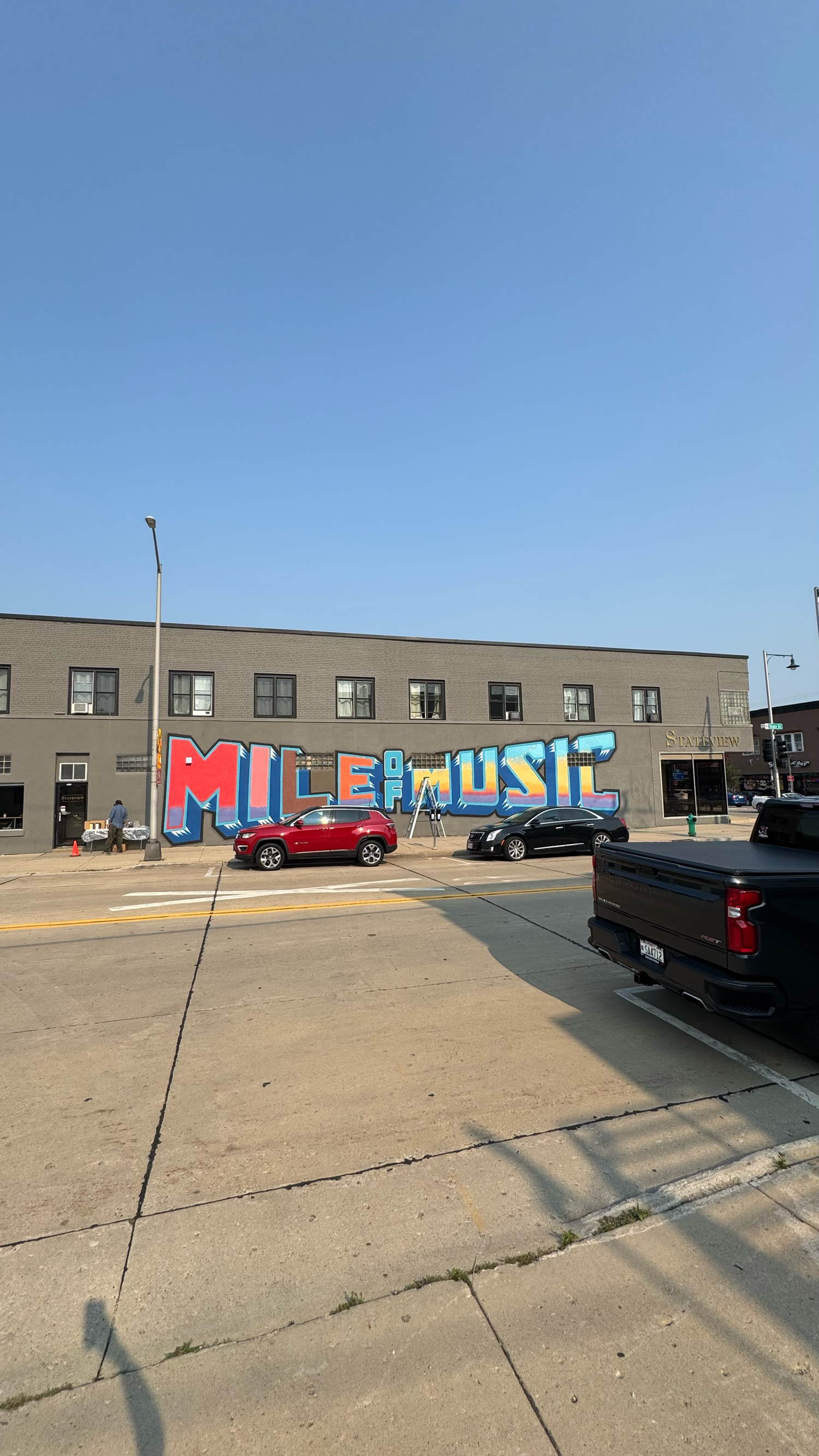
From there, things started snowballing through word of mouth and connections. Isaac introduced me to his band, Moonglow, who I’ve had the pleasure of working with multiple times since then. He also introduced me to Mile of Music, a massive music festival in Appleton, Wisconsin, that I somehow had never heard of before.
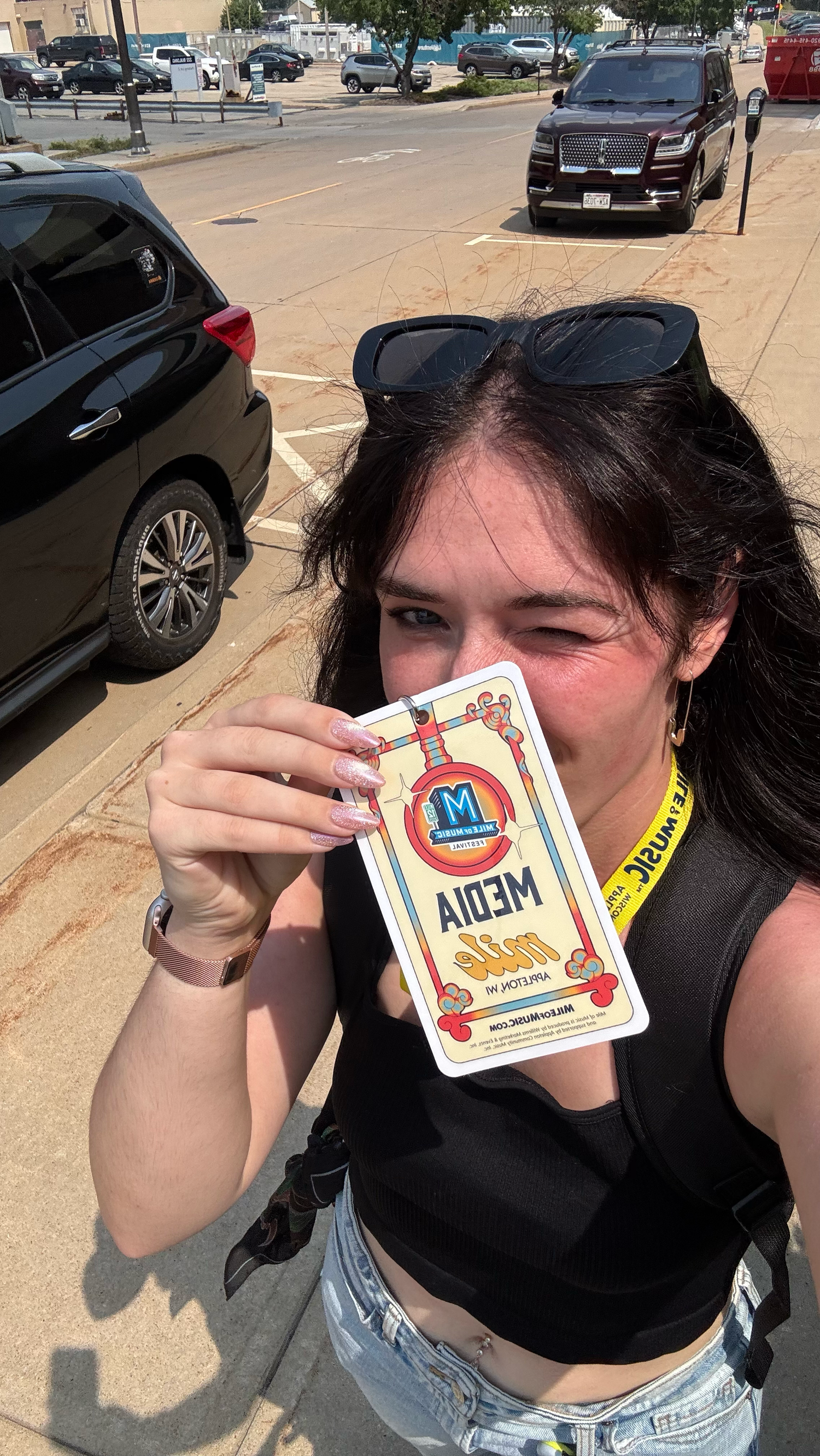
Once I found out Moonglow was playing there, I became determined to make it there too. After a little digging, I tracked down the festival’s media contact and sent an email explaining that I knew some of the artists performing and would love the opportunity to photograph the event. To my surprise, they gave me a general media pass for the entire weekend.
That meant I could shoot at any venue all weekend long.
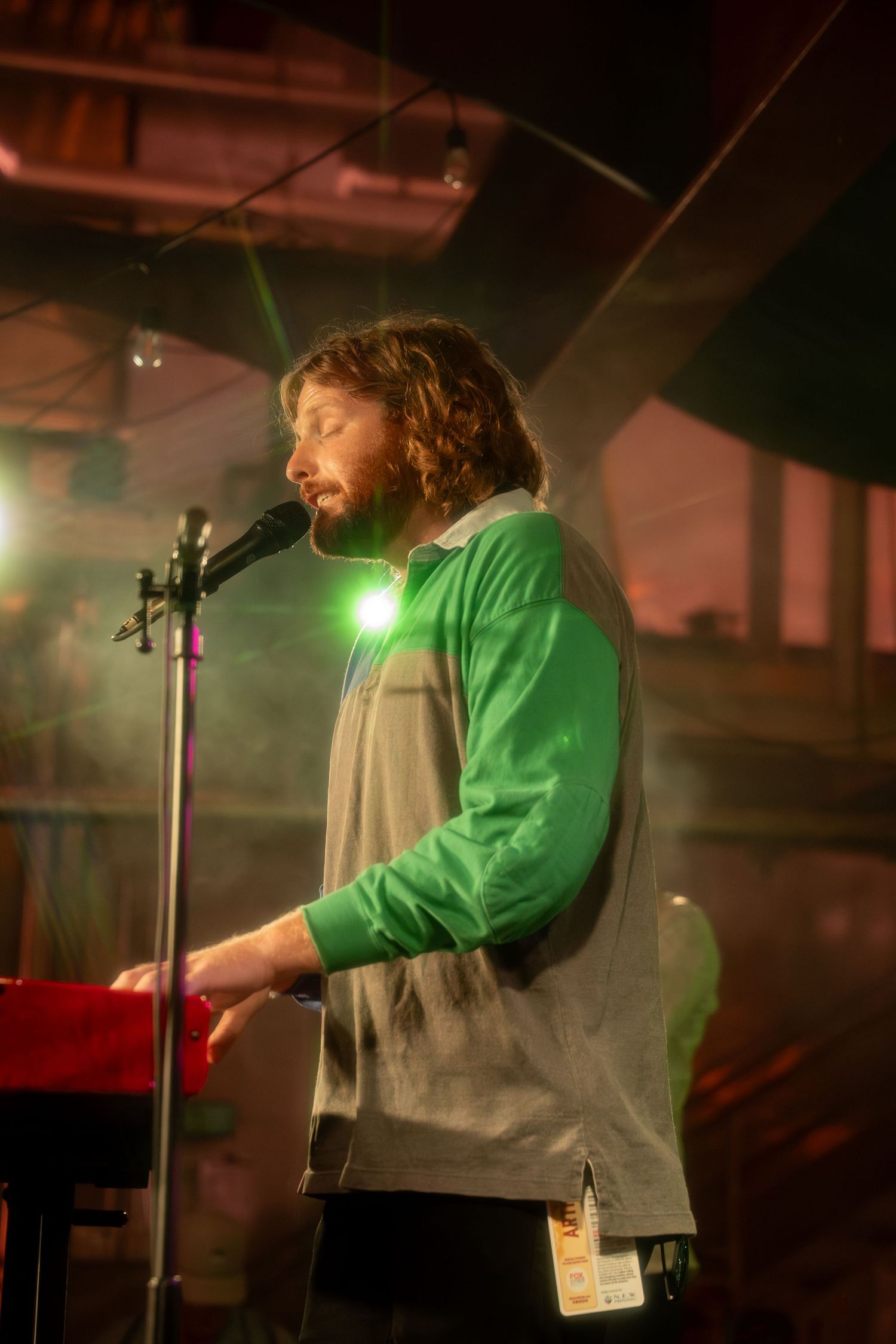
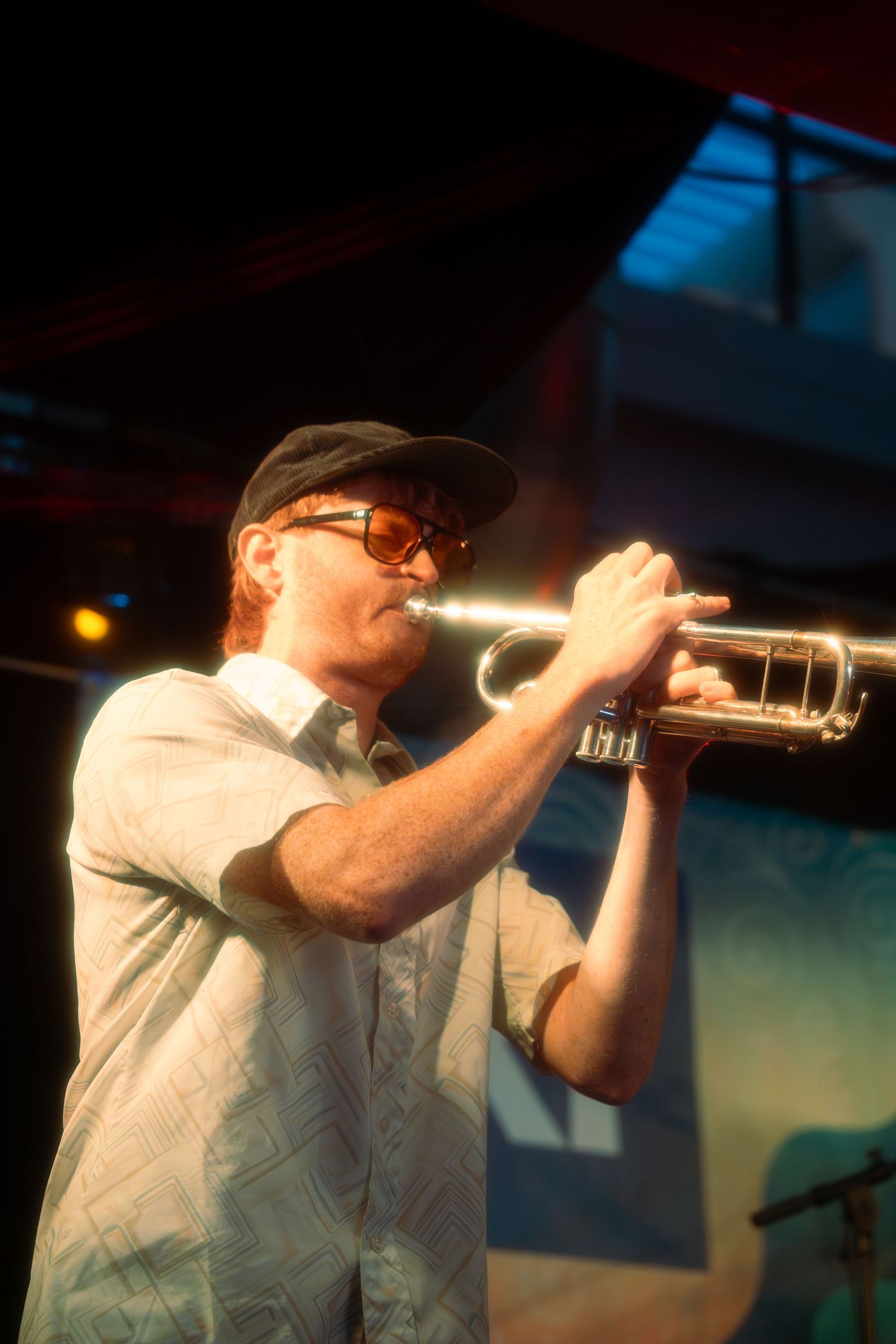
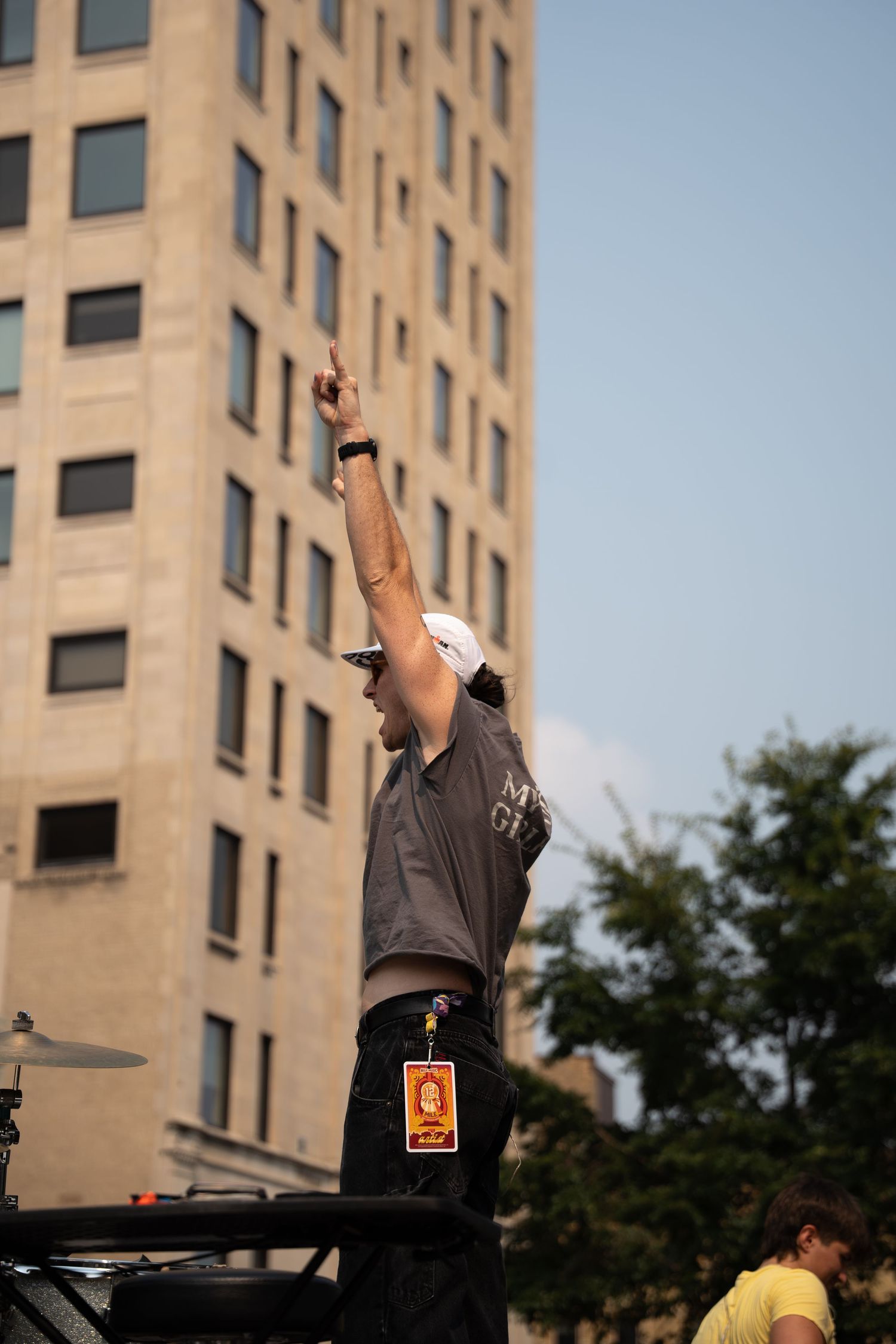
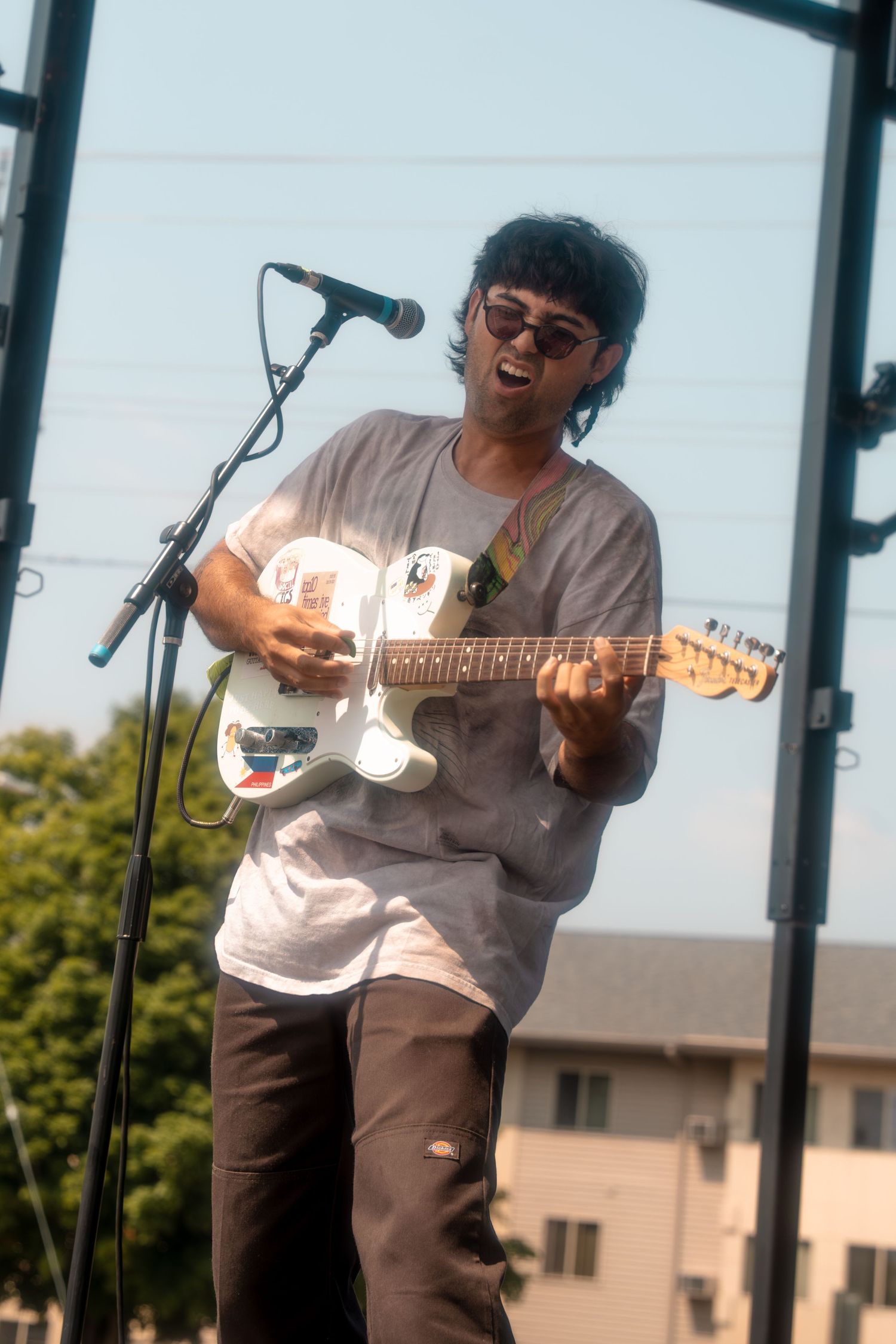
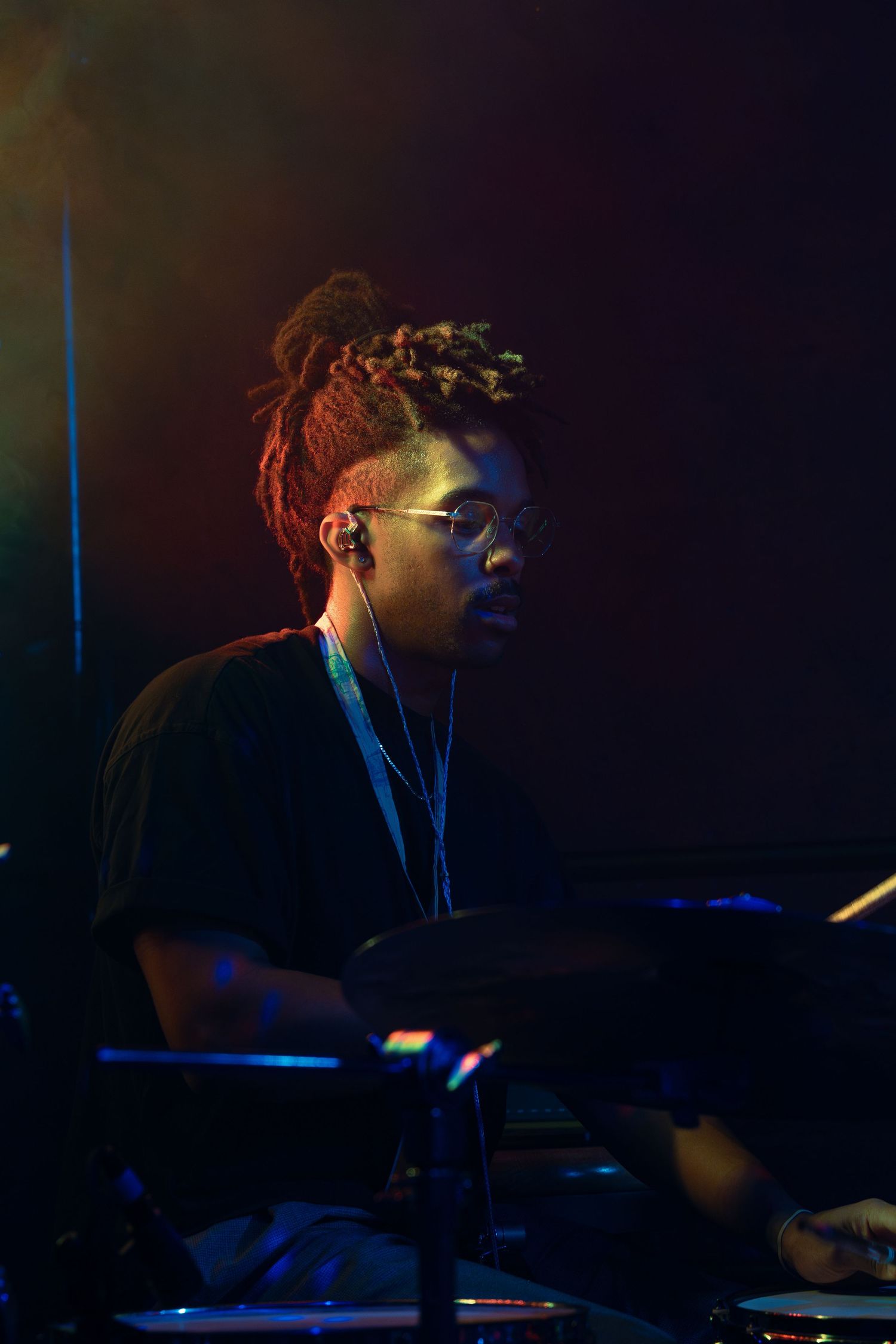
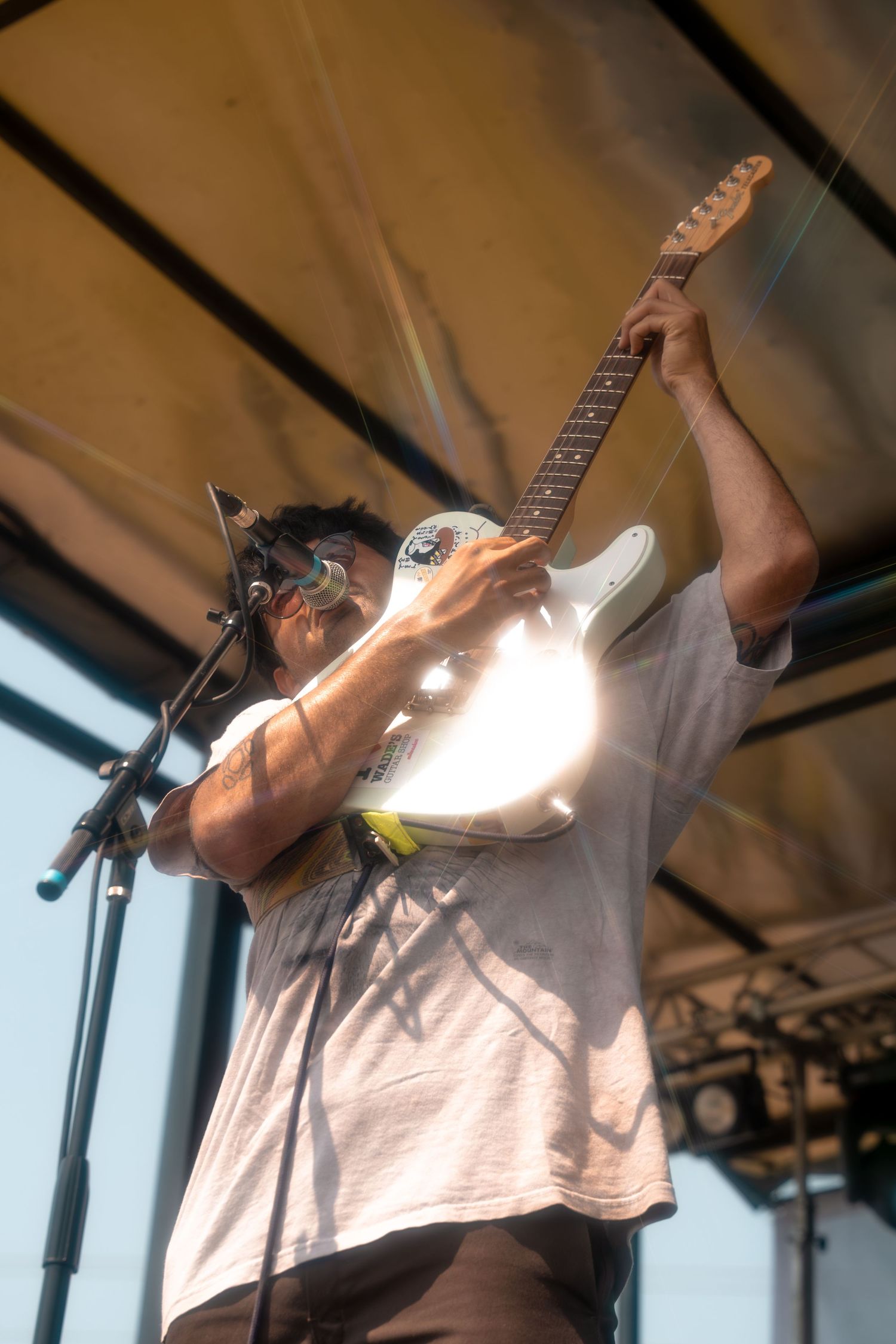
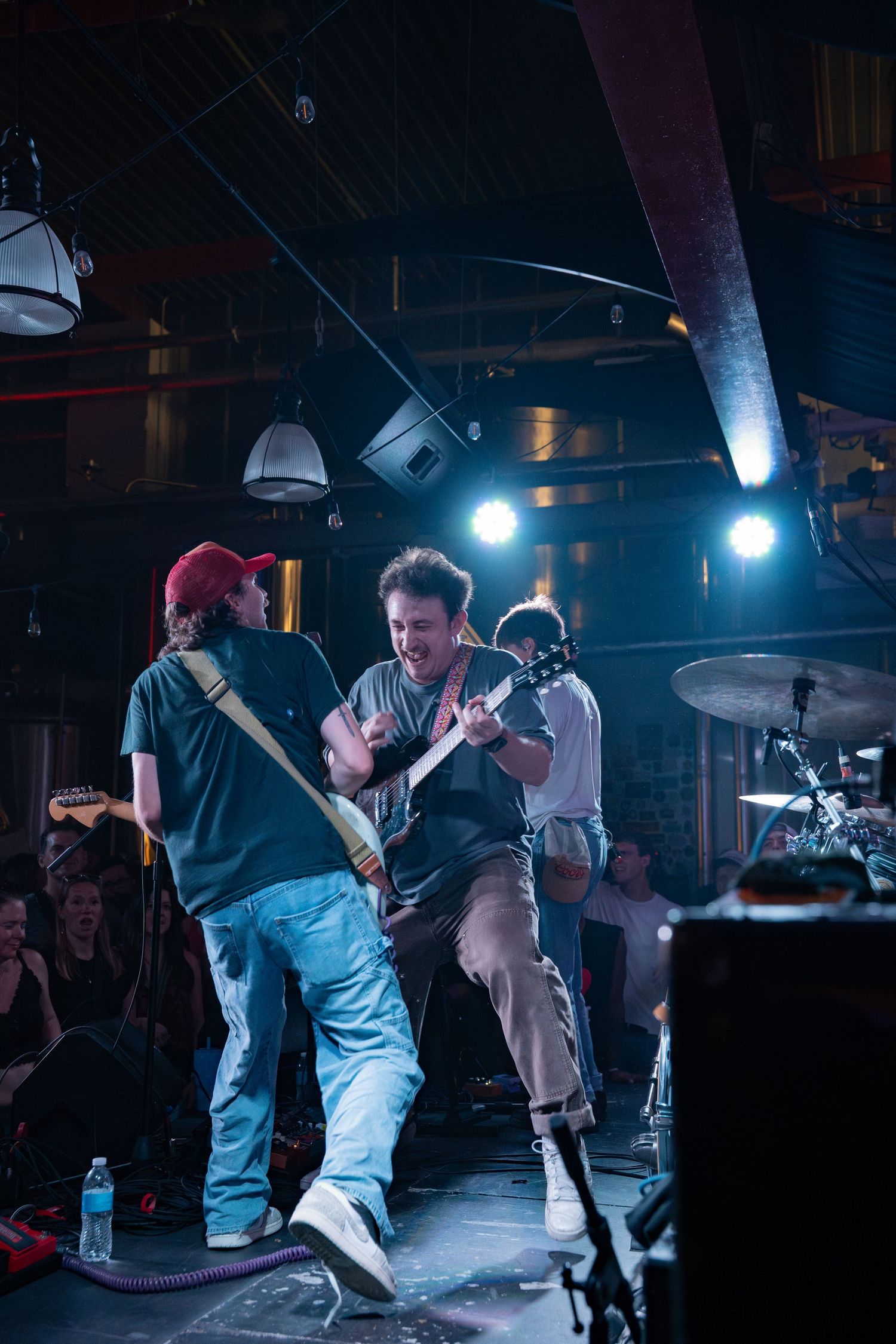
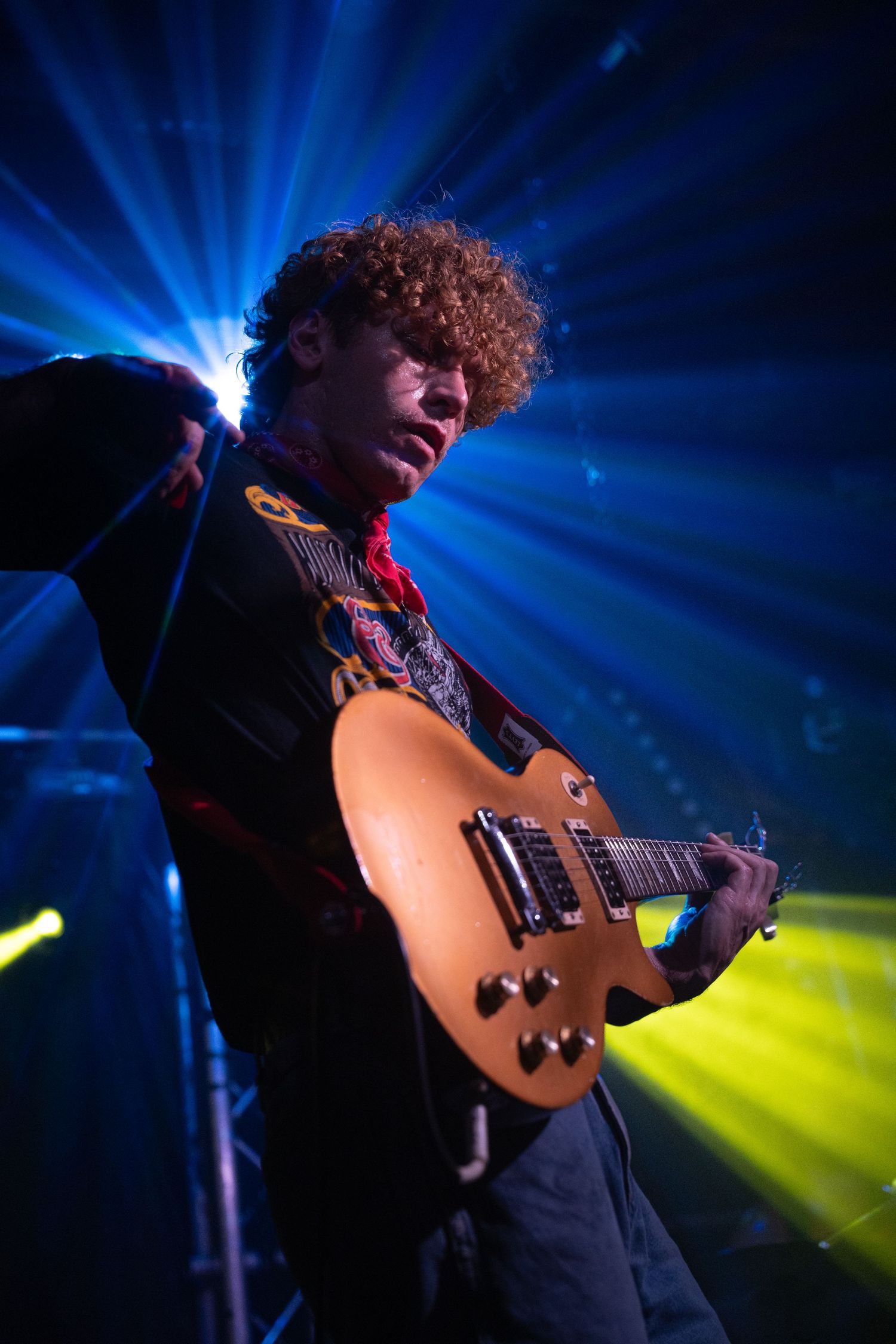
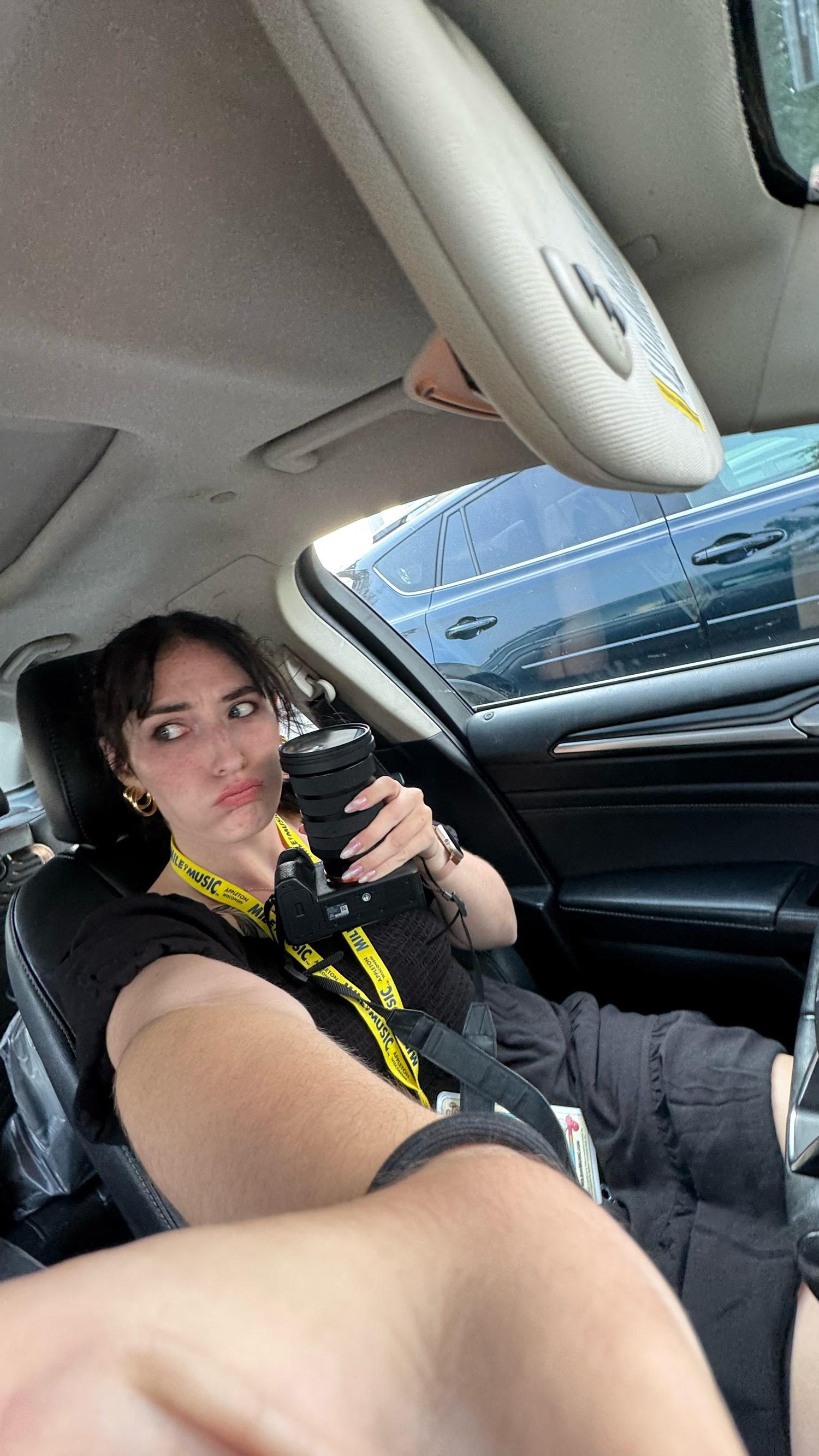
It was one of the biggest moments for me so far and honestly changed everything. I met so many artists, photographers, and creatives that weekend, and it became one of the biggest turning points in building my confidence and connections.
Reality Checks
In under a year, I’ve learned a lot. Music photography is exciting, but it definitely isn’t all glitz and glamour.
Editing Never Ends
Editing is honestly one of the hardest parts of the process. A decent image can become an amazing one through editing, but sorting through hundreds — sometimes thousands — of photos can get overwhelming fast, especially when you’re on a deadline.
Still, at the end of it all, you’re left with moments that preserve the energy and emotion of a show forever, and that part always makes it worth it.
The Driving Is Brutal
I drive a lot for shows. Living between Milwaukee and Chicago means most venues are at least an hour away. I’m usually not spending money on hotels, so after the show ends, I’m immediately driving home in the middle of the night.
I’m definitely not the night owl I used to be, so some mornings are rough.
Crowd Interactions Can Be… Interesting
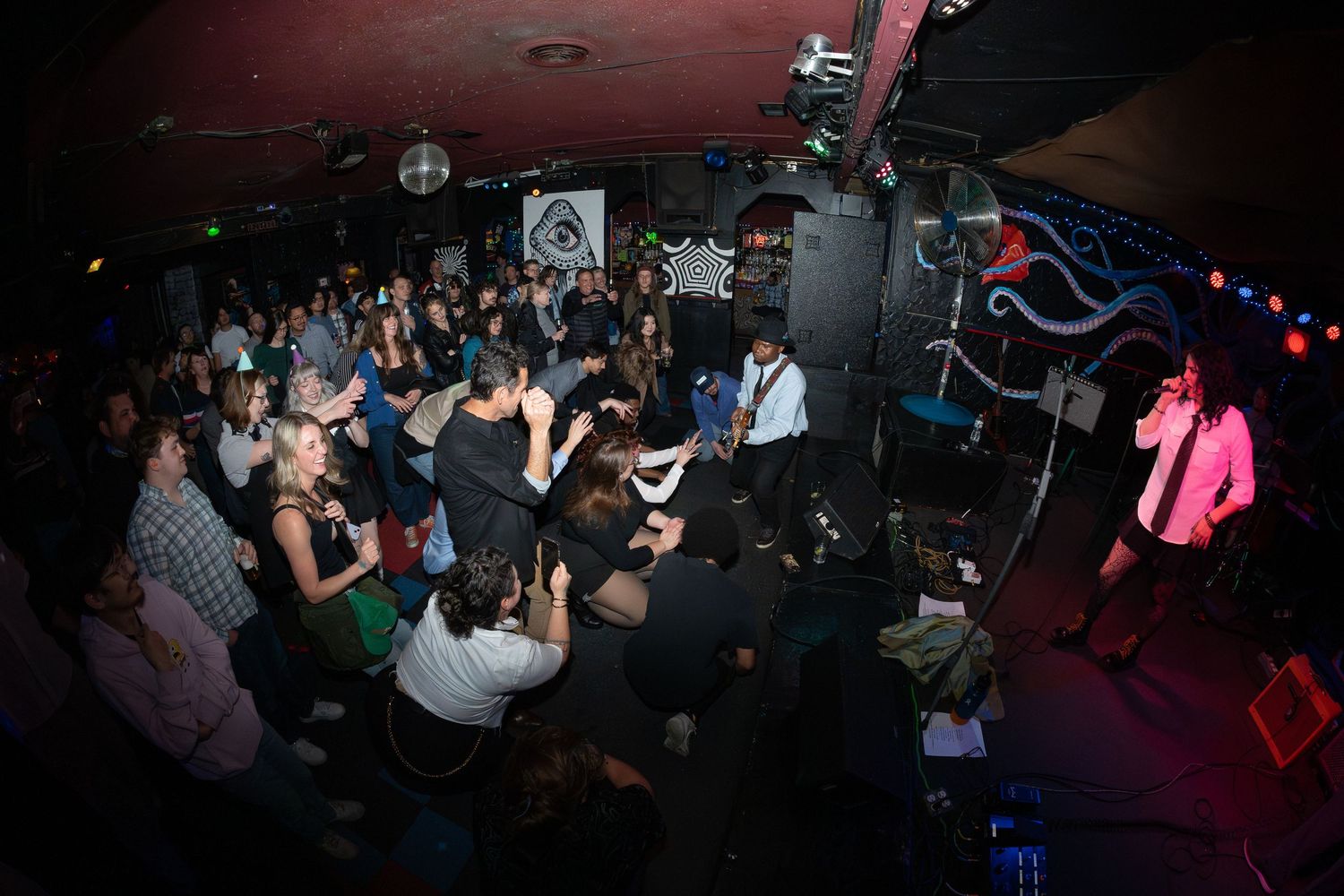
For the most part, fans are super understanding and kind. A lot of people will move out of the way without me even asking so I can grab a shot, and those little moments really remind me how supportive the music community can be. But small venues without photo pits can definitely get tricky.
Sometimes you’re squeezing through packed crowds trying not to step on anyone, and occasionally you’ll run into someone who clearly does not want you there. I’ve had people glare at me or straight-up say “no” when I asked to sneak past them.
As a recovering people pleaser, that one hurt a little.
Lighting Is Not Created Equal
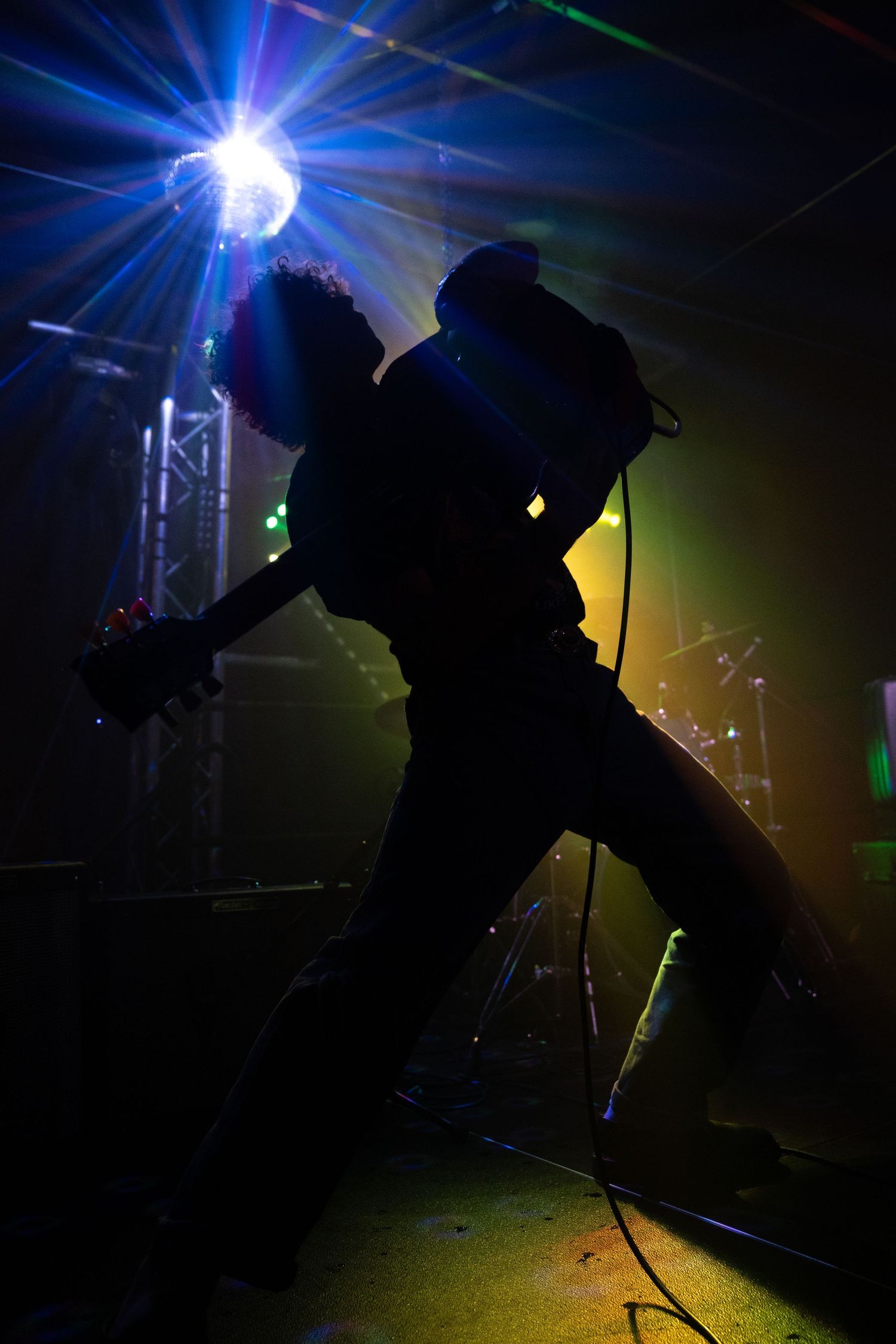
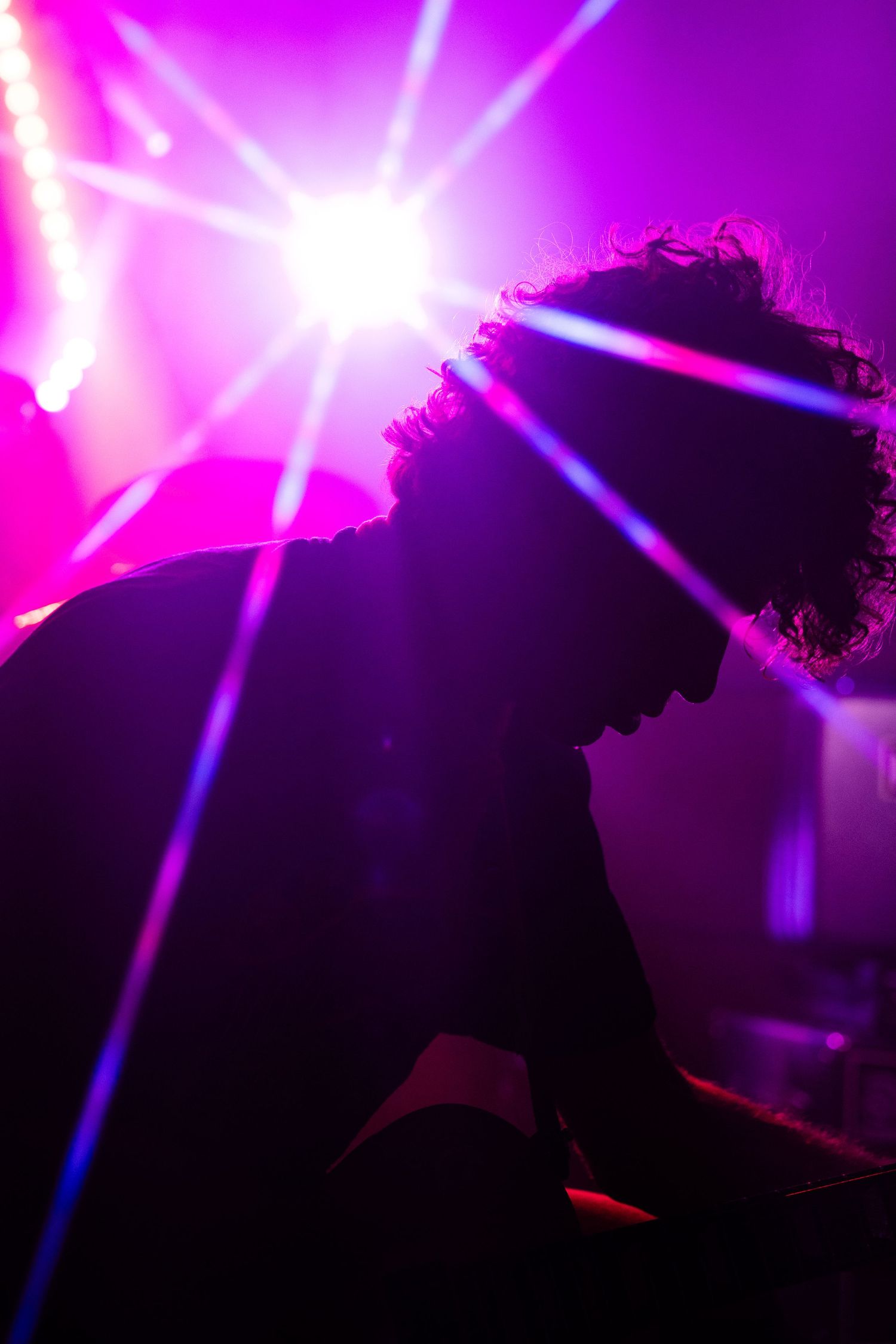
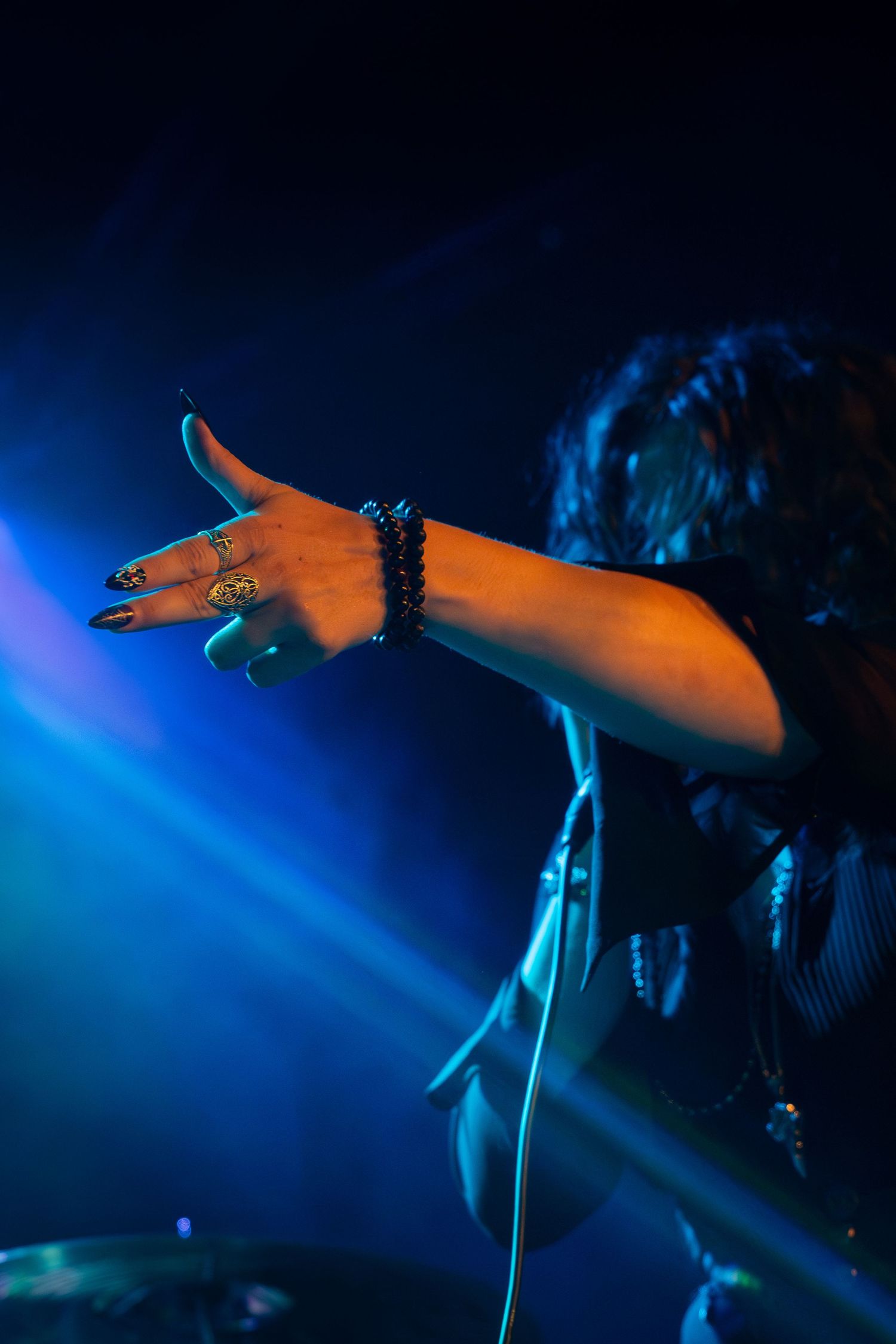
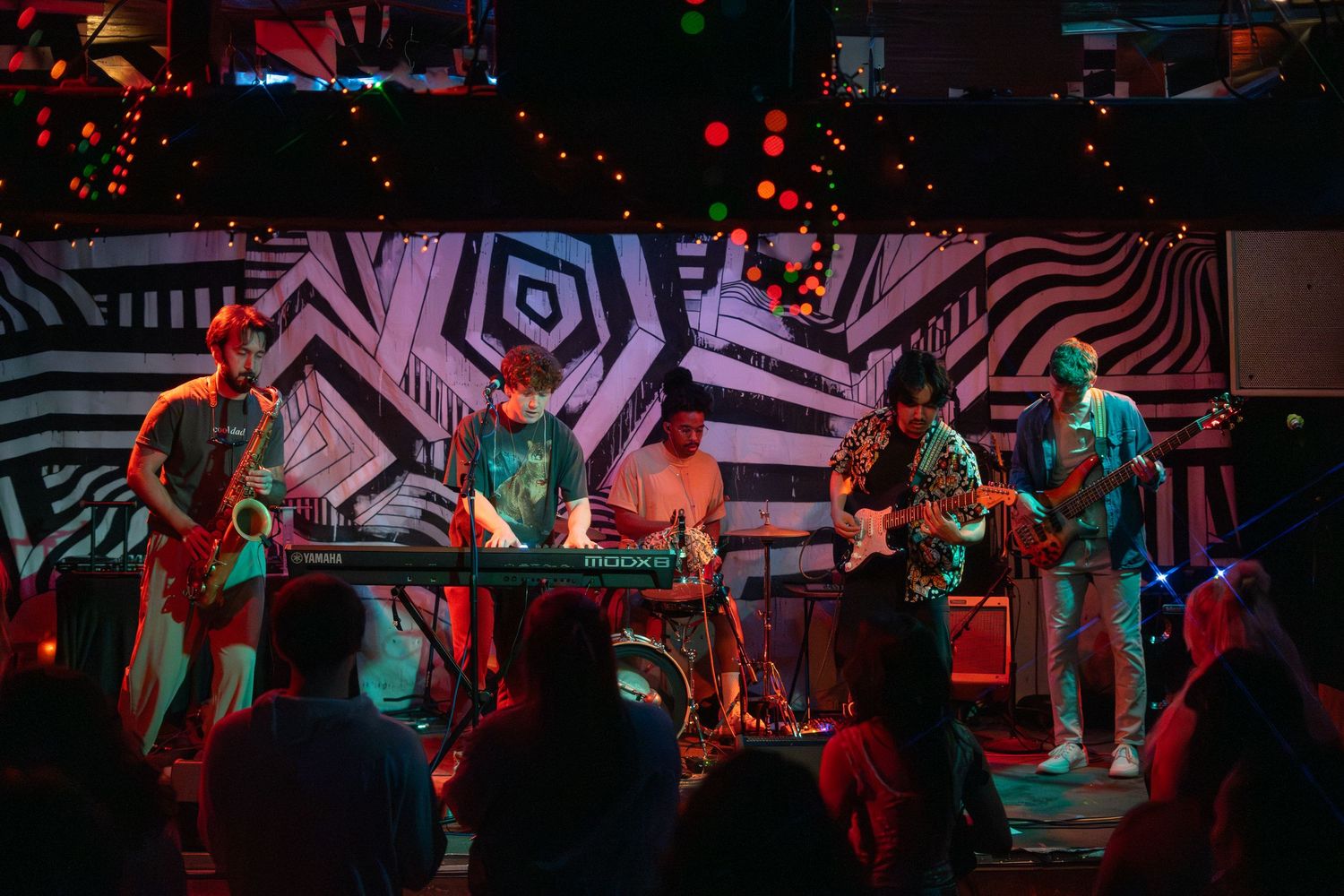
Some venues are a dream: spotlights everywhere, smoke machines going, dramatic lighting, the whole experience. Other venues? Not so much.
At the end of the day, it’s part of the job, but that doesn’t mean I won’t complain about it constantly. More light equals easier editing. Dark venues mean more work later.
And don’t even get me started on venues that use red lighting for the entire show.
Tips I Wish I Knew Sooner
Invest in a Good Low-Light Lens
I shot my first two concerts using my kit lens and a 70–200mm f/2.8–5.6 lens.
Did they technically work? Sure. Did they work well? Debatable.
If I could go back and make one early investment, it would absolutely be the Sigma 24-70mm F2.8 DG DN II Art. I genuinely love this lens like it’s my child, and it’s become my go-to for almost every event. Is it heavy? Absolutely. Is it worth it? Also absolutely.
Don’t Overshoot (Easier Said Than Done)
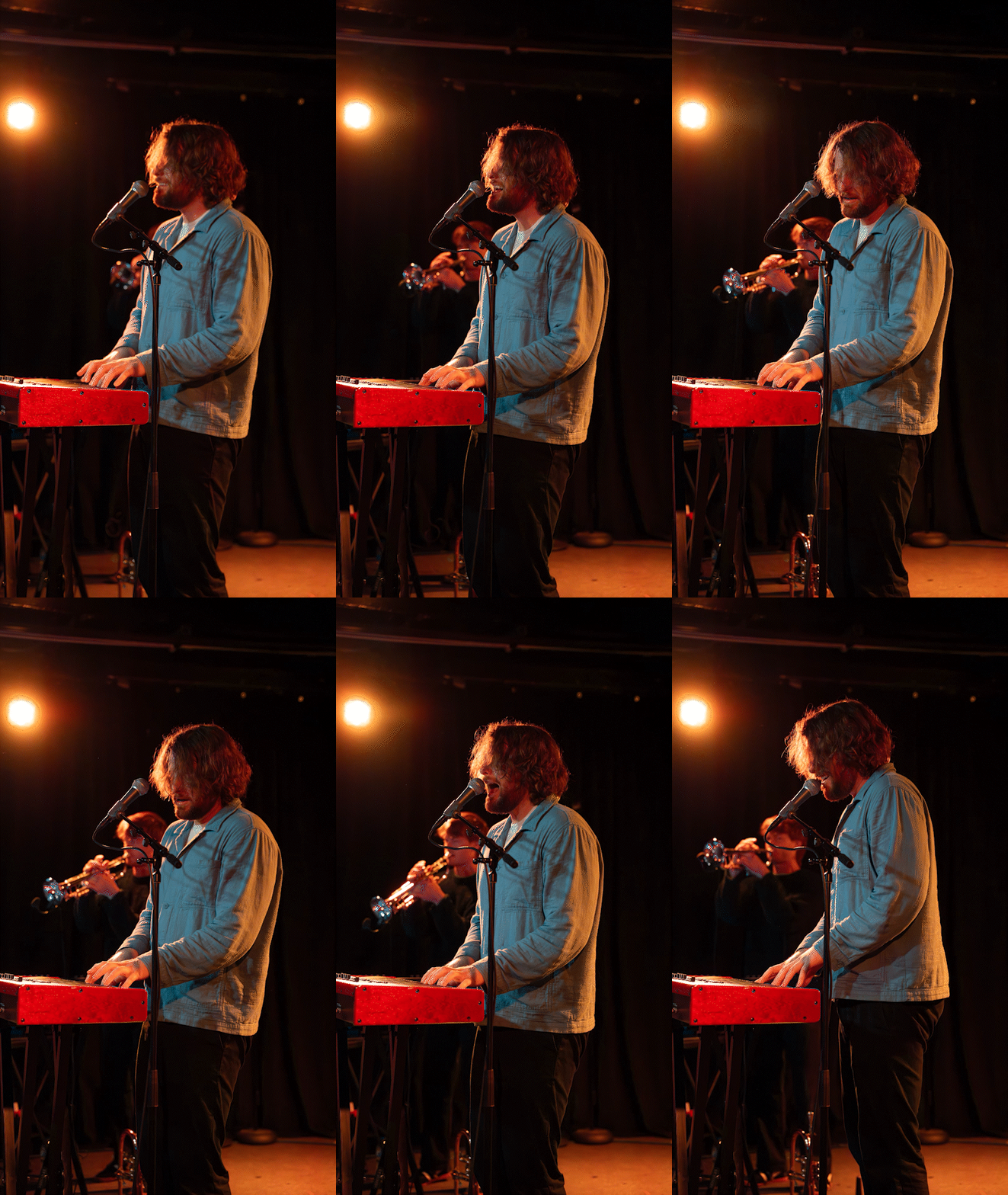
This is still something I struggle with constantly. Every moment feels important when you’re shooting live music, so I end up taking thousands of photos just to deliver 30–50 final images. Most artists honestly don’t want 100+ photos anyway — it can get overwhelming fast.
My only defense is that I also like creating short stop-motion style animations, which unfortunately requires even more photos.
Bring Extra Batteries and SD Cards
Always. Seriously.
You never know when a battery might die unexpectedly, an SD card fills up faster than expected, or something corrupts. There have been multiple times when I accidentally left my camera on before a show and drained the battery without realizing it until the last second. Every single time, I’ve been grateful I packed backups.
Building Confidence
Let me make one thing very clear: I AM NOT AN EXPERT. But I do think I’ve come a long way when it comes to confidence.
Walking into a venue with a camera for the first time is intimidating enough. Somehow, it feels even scarier when there are other photographers there and you convince yourself they’re judging you. Truthfully? They’re probably not. If anything, they’re probably looking at your camera setup or waiting for you to move so they can steal your spot.
For a long time, I felt awkward at shows. I never fully knew where I was allowed to stand or whether someone was going to yell at me for being somewhere I shouldn’t. That mindset finally changed during my last day at Mile of Music.
I was photographing Winyah when another photographer came up to me and offered to let me try one of his lenses. Naturally, I said yes because the lens was insanely expensive and I was curious. While we talked, he casually mentioned that I could move up the ramps on the sides of the stage to get better angles. He knew the crew running that stage and assured me it was completely fine.
Then he said something that completely shifted my perspective:
“We have the cameras. We run the show here.”
And honestly? He was right.
How many times have you seen someone with a camera at a concert and automatically assumed they belonged there? I always did. So why didn’t I think that applied to me too? Nobody had told me I couldn’t go up there — I had just convinced myself I wasn’t allowed to.
That moment became my personal “fake it until you make it” mindset.
Like COIN once sang, “How will you know if you never try?”
Now I walk into venues acting like I know what I’m doing — because honestly, half the battle is believing you belong there in the first place. Do I still get nervous sometimes? Of course.
But at the end of the day… who’s really going to question the girl with the camera?
Still want to chat or have questions? Feel free to reach out!
Until next time.
xoxo Mikayla